
Thursday, November 10, 2016

Create > OCD Patterns
Create > OCD Patterns

Goal: Create images by organizing subject matter into patterns.
Studio Activity:
Be inspired by the work of Jim Golden > http://goo.gl/p18fNo. Jim Golden purchases obsolete technology at yard sales and thrift stores and to arrange them into dramatic patterns reminding us of our progress and temporary nature. Be the picture director. Photography students often get caught up in finding a perfect scene or moment before they push the shutter button, completely forgetting that they have direct compositional control. Objects or scenes can be deliberately arranged and composed, creating meaningful installations or repeating patterns. Placing hundreds of near identical objects next to each other forces viewers to confront figure ground relationships and compare and contrast patterns and differences.
Trigger Mechanisms: Arrange, Repetition, Organize
Generalize, Reflect & Publish:
Instructional Strategy
- Evaluate the results
Learning Activity
Reflect >
Did I achieve the goal?
- Goal: Create images by organizing subject matter into patterns.
Should I go back and rework anything?
- How did you combine art elements (line, color, shape, texture, value) to develop art principles? (Unity/variety, balance, emphasis contrast, rhythm, proportion/scale, figure/ground relationship)
- Where are the dominant shapes, forms, colors, or textures that carry expressive significance?
- Why Is the work ordered and balanced or chaotic and disturbing?
- What gives the work its uniqueness?
- Is symbolism used in the work to convey meaning other than what one sees?
- Does the work evoke any feelings?
Instructional Strategy
- Providing Recognition
Learning Activity
Publish > Share your album to our G+Community > Concepts & Creations category
Display > Add your photos to the Event
Instructional Strategy
- Providing Feedback
Learning Activity
Critique >
- Give positive feedback > +1 every image that deserves it
- Give peer feedback > Give 2 peer images a VTS critique > http://goo.gl/1WWmBY
Self-assess >
- Evaluate > Thinglink Rubric Scoring Guidelines > http://goo.gl/ejQq7B or AP Padlet Scoring Guidelines > https://goo.gl/a70ikP
Visual Examples:



Generalize, Reflect & Publish:
Instructional Strategy
- Evaluate the results
Learning Activity
Reflect > Should I go back and rework anything?
- How did you combine art elements (line, color, shape, texture, value) to develop art principles? (Unity/variety, balance, emphasis contrast, rhythm, proportion/scale, figure/ground relationship)
- Where are the dominant shapes, forms, colors, or textures that carry expressive significance?
- Why Is the work ordered and balanced or chaotic and disturbing?
- What gives the work its uniqueness?
- Is symbolism used in the work to convey meaning other than what one sees?
- Does the work evoke any feelings?
Instructional Strategy
- Providing Recognition
Learning Activity
Publish > Share your album to our G+Community > Concepts & Creations category
Display > Add your photos to the Event
Instructional Strategy
- Providing Feedback
Learning Activity
Critique >
- Give positive feedback > +1 every image that deserves it
- Give peer feedback > Give 2 peer images a VTS critique > http://goo.gl/1WWmBY
Self-assess >
- Evaluate > Thinglink Rubric Scoring Guidelines > http://goo.gl/ejQq7B or AP Padlet Scoring Guidelines > https://goo.gl/a70ikP

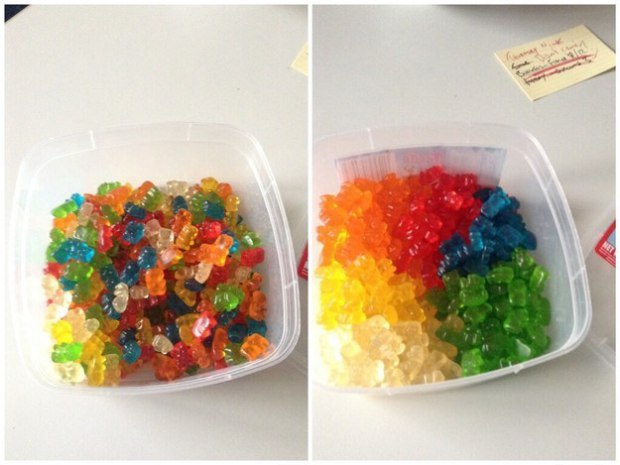


Create > Food Still Lifes
Create > Food Still Lifes

Goal: Create compositions of arranged food as if they were beautiful still life paintings.
Studio Activity:
Be inspired by the work of by Maggie Ruggiero and photographed by Martyn Thompson (left) and Marcus Nilsson (right).
Every shape, texture, color and from within these photographs has been considered, selected and positioned with care. Those looking for out-of-the-box indoor photography approaches or unusual still life photography ideas can find it helpful to remind themselves that photography students have the same level of compositional control as do painting students. Understanding how to balance and link different elements of a composition might be all that is needed for you to create unforgettable still life photography.

Trigger Mechanisms: Arrange, Repetition, Organize
Generalize, Reflect & Publish:
Instructional Strategy
- Evaluate the results
Learning Activity
Reflect >
Did I achieve the goal?
- Goal: Create compositions of arranged food as if they were beautiful still life paintings.
Should I go back and rework anything?
- How did you combine art elements (line, color, shape, texture, value) to develop art principles? (Unity/variety, balance, emphasis contrast, rhythm, proportion/scale, figure/ground relationship)
- Where are the dominant shapes, forms, colors, or textures that carry expressive significance?
- Why Is the work ordered and balanced or chaotic and disturbing?
- What gives the work its uniqueness?
- Is symbolism used in the work to convey meaning other than what one sees?
- Does the work evoke any feelings?
Instructional Strategy
- Providing Recognition
Learning Activity
Publish > Share your album to our G+Community > Concepts & Creations category
Display > Add your photos to the Event
Instructional Strategy
- Providing Feedback
Learning Activity
Critique >
- Give positive feedback > +1 every image that deserves it
- Give peer feedback > Give 2 peer images a VTS critique > http://goo.gl/1WWmBY
Self-assess >
- Evaluate > Thinglink Rubric Scoring Guidelines > http://goo.gl/ejQq7B or AP Padlet Scoring Guidelines > https://goo.gl/a70ikP
Visual Examples:


Generalize, Reflect & Publish:
Instructional Strategy
- Evaluate the results
Learning Activity
Reflect > Should I go back and rework anything?
- How did you combine art elements (line, color, shape, texture, value) to develop art principles? (Unity/variety, balance, emphasis contrast, rhythm, proportion/scale, figure/ground relationship)
- Where are the dominant shapes, forms, colors, or textures that carry expressive significance?
- Why Is the work ordered and balanced or chaotic and disturbing?
- What gives the work its uniqueness?
- Is symbolism used in the work to convey meaning other than what one sees?
- Does the work evoke any feelings?
Instructional Strategy
- Providing Recognition
Learning Activity
Publish > Share your album to our G+Community > Concepts & Creations category
Display > Add your photos to the Event
Instructional Strategy
- Providing Feedback
Learning Activity
Critique >
- Give positive feedback > +1 every image that deserves it
- Give peer feedback > Give 2 peer images a VTS critique > http://goo.gl/1WWmBY
Self-assess >
- Evaluate > Thinglink Rubric Scoring Guidelines > http://goo.gl/ejQq7B or AP Padlet Scoring Guidelines > https://goo.gl/a70ikP


Create > Eroded Photographs
Create > Eroded Photographs
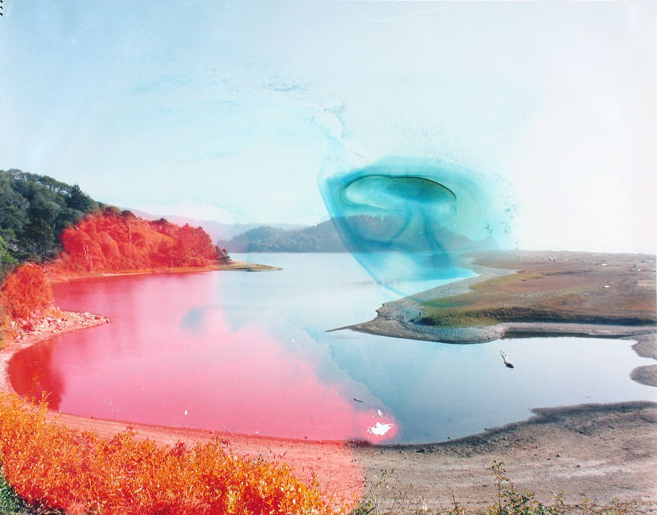
Goal: Create 4 works that show the physical effects of erosion.
Studio Activity:
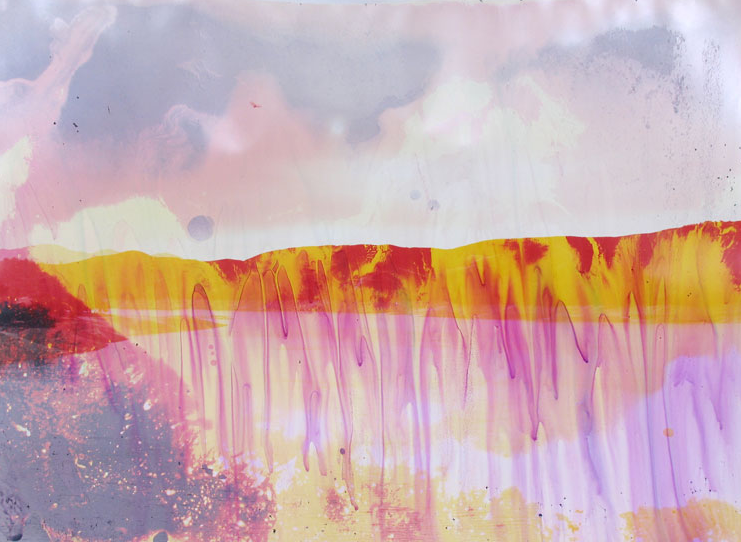
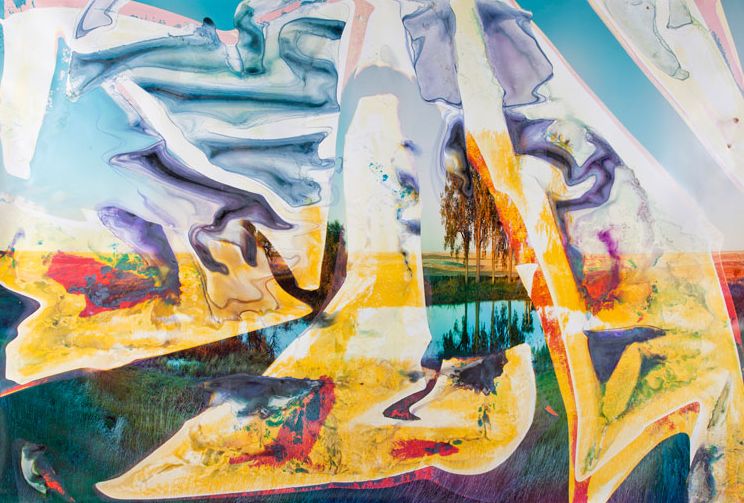
Submerge printed photographs in water. Let the image soak. Over time, the surface begins to degrade, creating unexpected results such as dramatic running ink and other characteristics of erosion. The photograph becomes a relic of the erosion process. Artist Matthew Brandt photographs lakes and reservoirs from around the United States and then applies this erosion technique. His works are great examples of how creative methods and techniques are driven by the subject or theme of the photographs.
Trigger Mechanisms: Degrade, Alter, Ambiguity
Generalize, Reflect & Publish:
Instructional Strategy
- Evaluate the results
Learning Activity
Reflect >
Did I achieve the goal?
- Goal: Create 4 works that show the physical effects of erosion.
Should I go back and rework anything?
- How did you combine art elements (line, color, shape, texture, value) to develop art principles? (Unity/variety, balance, emphasis contrast, rhythm, proportion/scale, figure/ground relationship)
- Where are the dominant shapes, forms, colors, or textures that carry expressive significance?
- Why Is the work ordered and balanced or chaotic and disturbing?
- What gives the work its uniqueness?
- Is symbolism used in the work to convey meaning other than what one sees?
- Does the work evoke any feelings?
Instructional Strategy
- Providing Recognition
Learning Activity
Publish > Share your album to our G+Community > Concepts & Creations category
Display > Add your photos to the Event
Instructional Strategy
- Providing Feedback
Learning Activity
Critique >
- Give positive feedback > +1 every image that deserves it
- Give peer feedback > Give 2 peer images a VTS critique > http://goo.gl/1WWmBY
Self-assess >
- Evaluate > Thinglink Rubric Scoring Guidelines > http://goo.gl/ejQq7B or AP Padlet Scoring Guidelines > https://goo.gl/a70ikP
Visual Examples:
Monday, November 7, 2016
Create > Photography Quilts
Create > Photography Quilts (Sew, Embroider or Stitch)
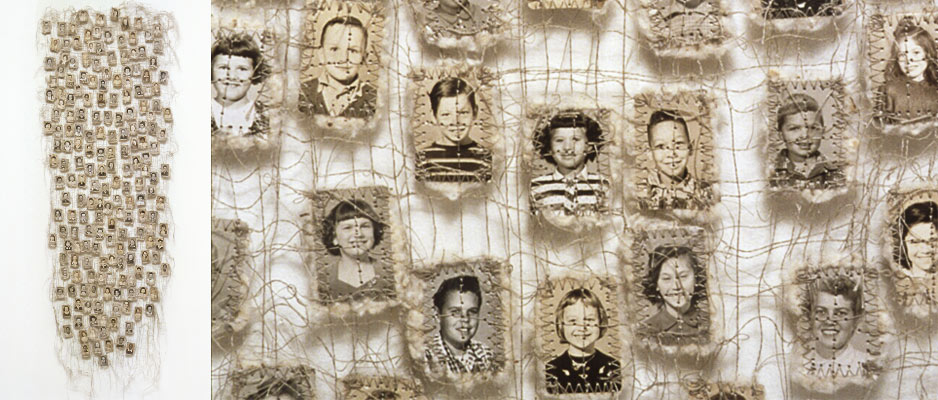
Goal: Create a series of images that are sewn on or stitched together.
Studio Activity:
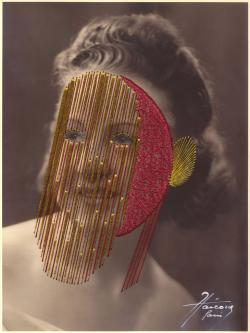
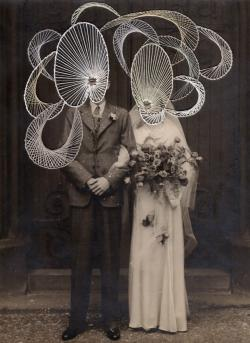
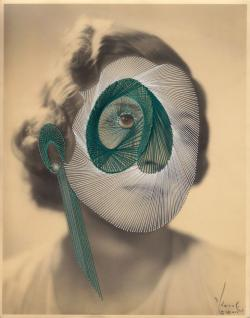
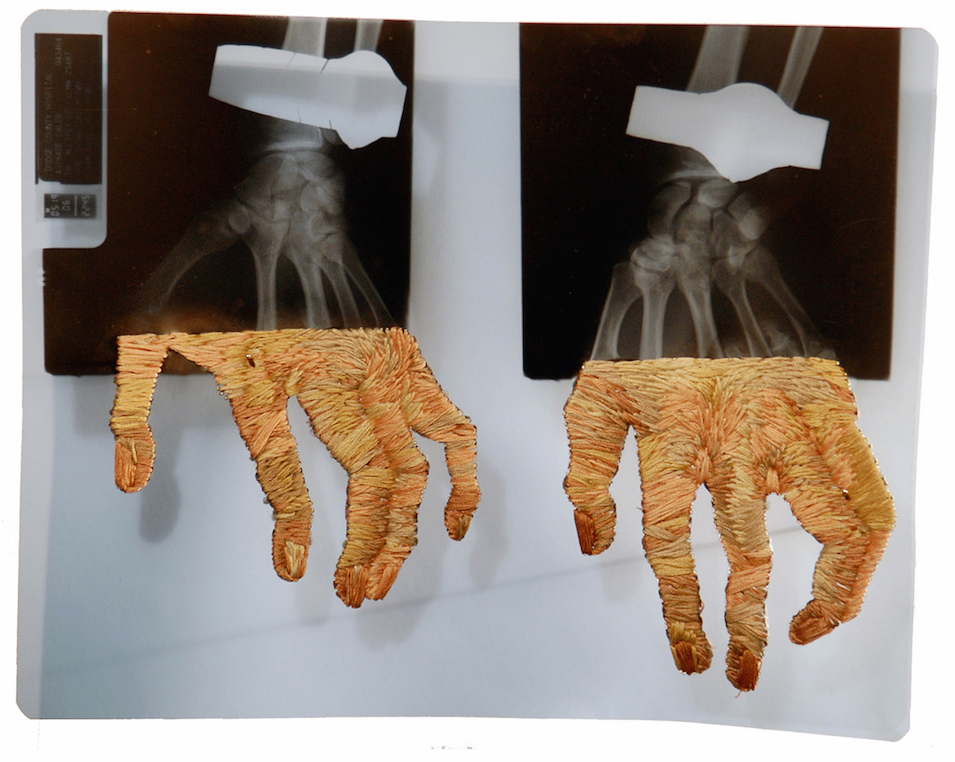
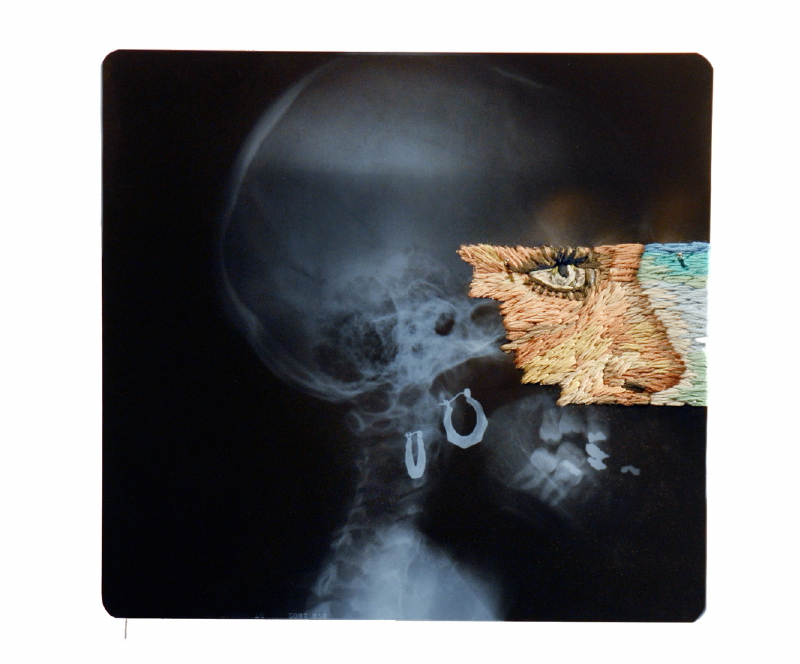
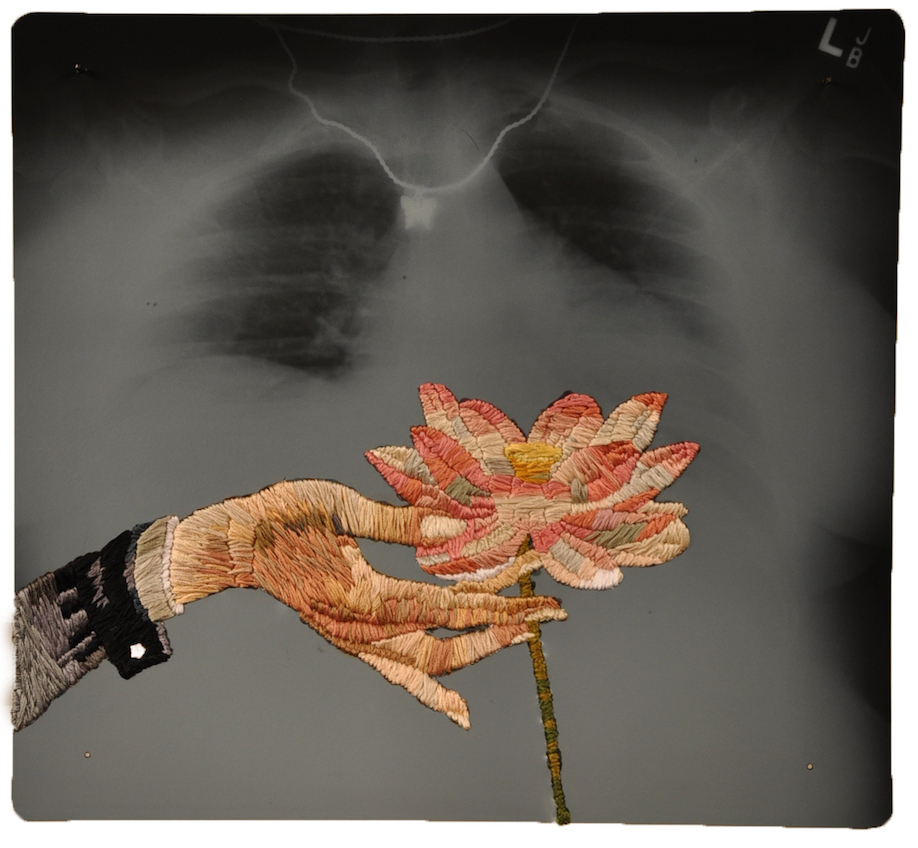
-Option 1: Be inspired by the stitched vintage photography of Maurizio Anzeri > http://goo.gl/u4b6Q0 Maurizio sews directly into found vintage photographs. She incorporates brightly embroidered patterns and delicately stitched veils that cross the faces with sharp lines and dramatic glimmering forms. I suggest that you use your own photographs.
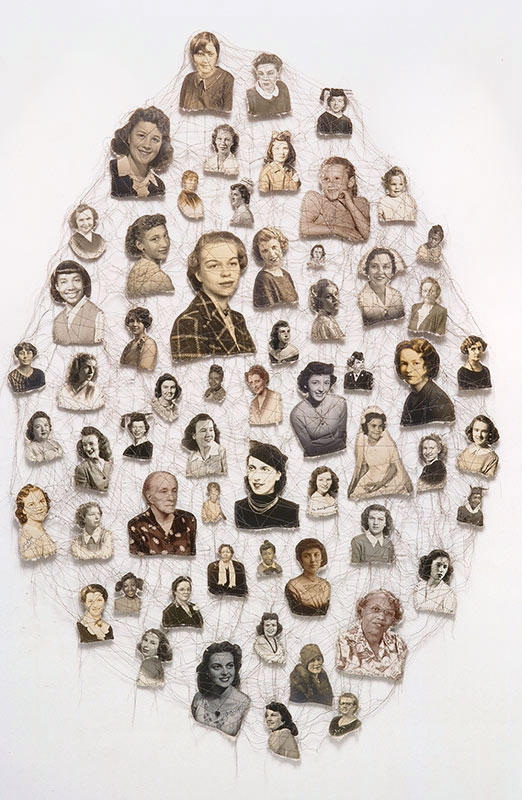
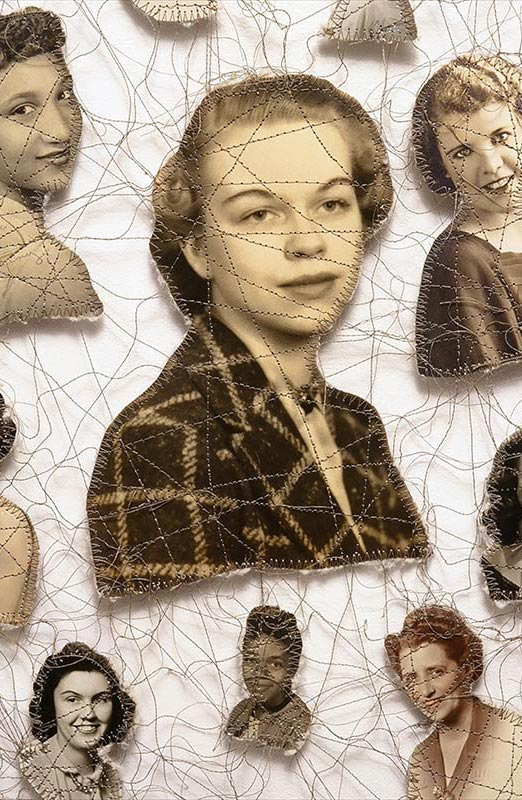
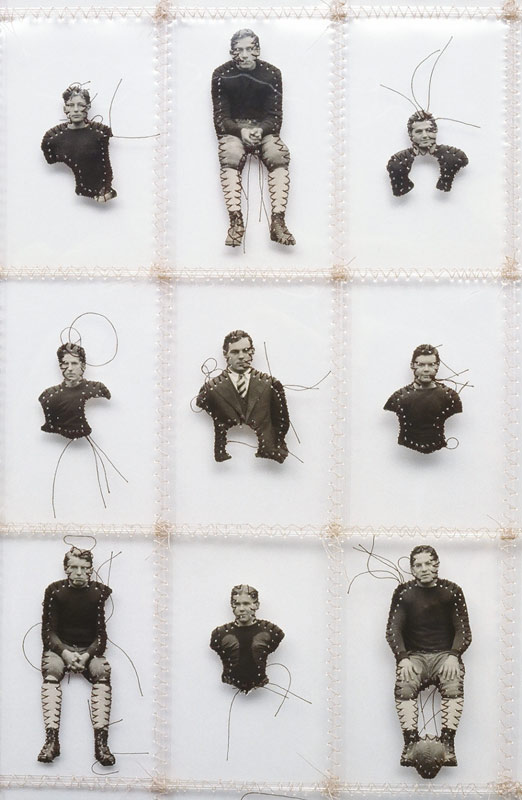
-Option 2: Be inspired by the works of Lisa Kokin > http://goo.gl/SpIq08 She takes found, unrelated photographs and stitches them together. Because the images are stitched together a forced relationship between them is created and a whole new narrative can be imagined.
Trigger Mechanisms: Combine, Manipulate, Link
Visual Examples:
- Maurizio Anzeri > http://goo.gl/u4b6Q0
- Lisa Kokin > http://goo.gl/SpIq08
Generalize, Reflect & Publish:
Instructional Strategy
- Evaluate the results
Learning Activity
Reflect >
Did I achieve the goal?
- Goal: Create a series of images that are sewn on or stitched together.
Should I go back and rework anything?
- How did you combine art elements (line, color, shape, texture, value) to develop art principles? (Unity/variety, balance, emphasis contrast, rhythm, proportion/scale, figure/ground relationship)
- Where are the dominant shapes, forms, colors, or textures that carry expressive significance?
- Why Is the work ordered and balanced or chaotic and disturbing?
- What gives the work its uniqueness?
- Is symbolism used in the work to convey meaning other than what one sees?
- Does the work evoke any feelings?
Instructional Strategy
- Providing Recognition
Learning Activity
Publish > Share your album to our G+Community > Concepts & Creations category
Display > Add your photos to the Event
Instructional Strategy
- Providing Feedback
Learning Activity
Critique >
- Give positive feedback > +1 every image that deserves it
- Give peer feedback > Give 2 peer images a VTS critique > http://goo.gl/1WWmBY
Self-assess >
- Evaluate > Thinglink Rubric Scoring Guidelines > http://goo.gl/ejQq7B or AP Padlet Scoring Guidelines > https://goo.gl/a70ikP
Subscribe to:
Posts (Atom)