Monday, December 7, 2015

Create > Hand-colored Photographs

Create > Hand-colored Photographs


Goal: Create works that incorporate both photographs and hand-painted additions

Studio Activity:
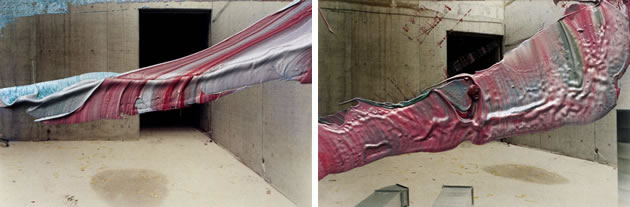
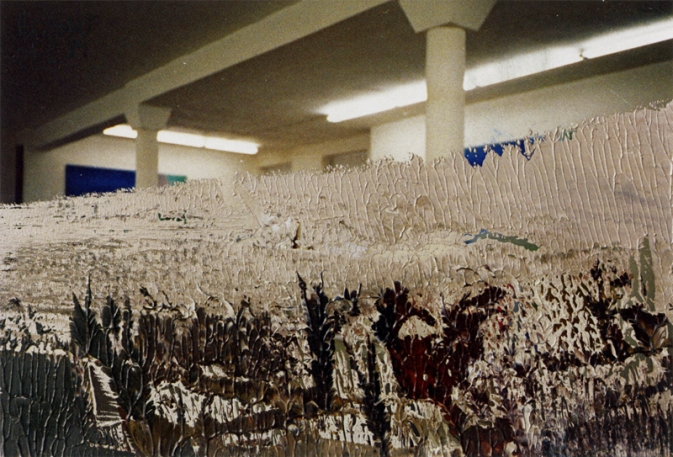
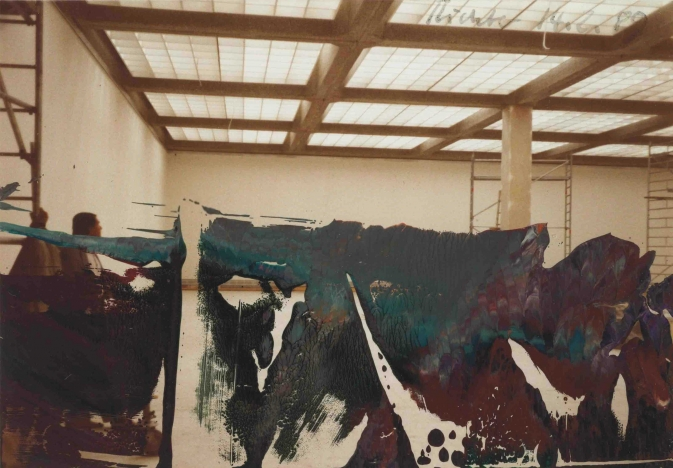
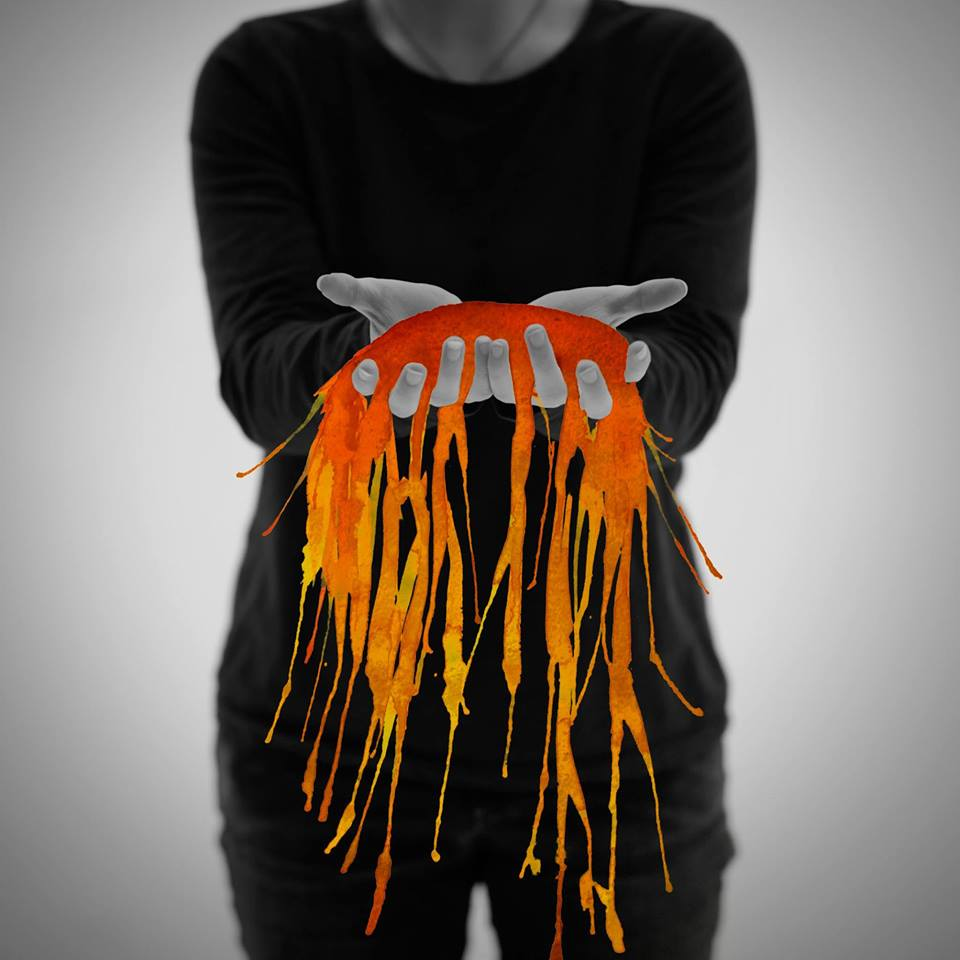
Option 1:  Be inspired by the works of Gerhard Richter > http://goo.gl/709vrE and paint directly onto photographs.  Spontaneously use gestural smears of paint to enhance and distort your images.  Use acrylic paint with non-traditional ‘brushes’ like fingers or wrappers paint thick lines that divide the composition or inject color into the image.  Use the tactile surface of the paint smear to your advantage and draw the viewer into your works.
Gerhard Richter overpainted photographs

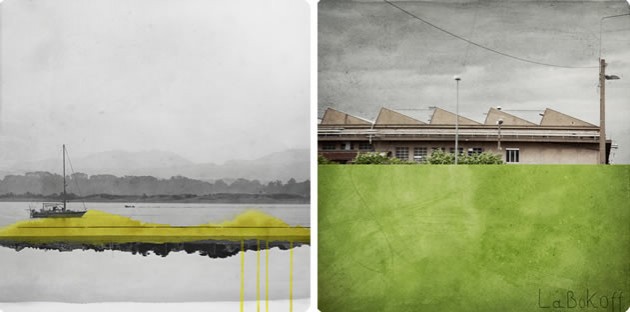
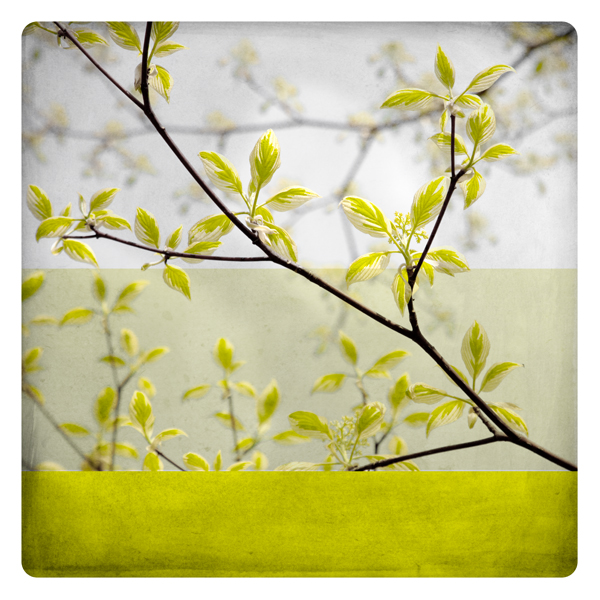
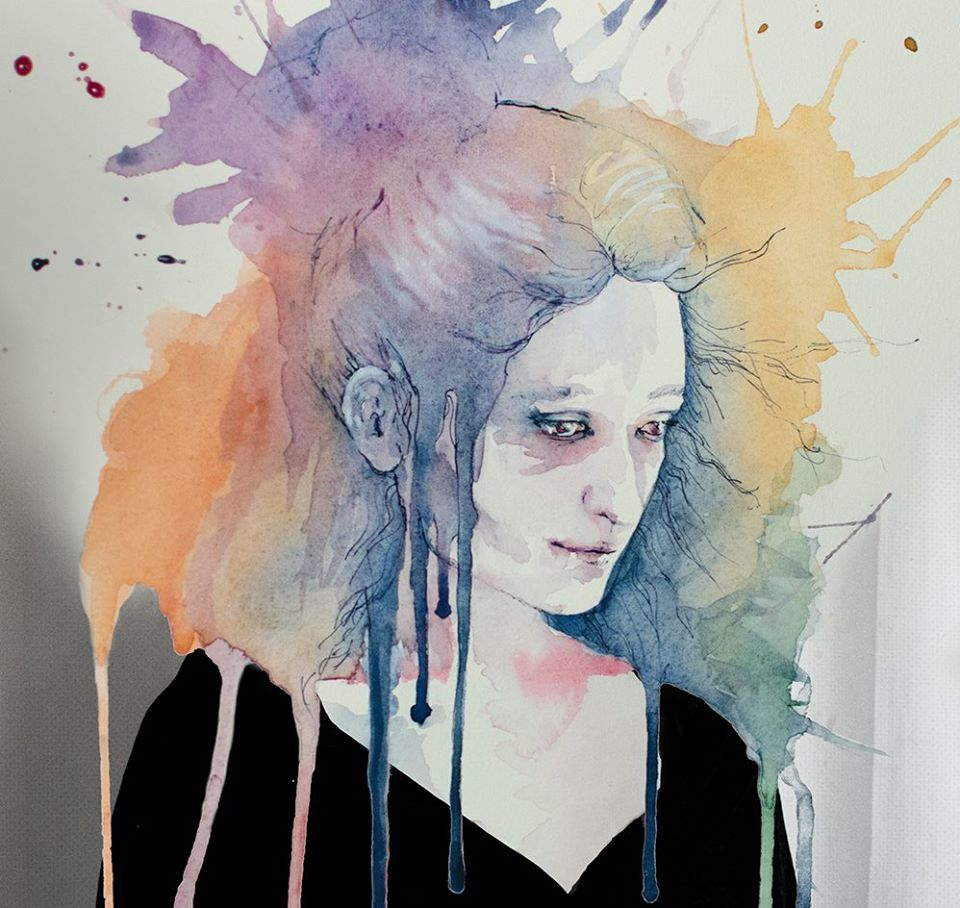
Option 2:  Be inspired by the works of Fabienne Rivory > http://goo.gl/wKfIUF.  On a standard printer, print out copies of your images in black and white and apply ink or watercolours directly to the paper.
Fabienne Rivory photography

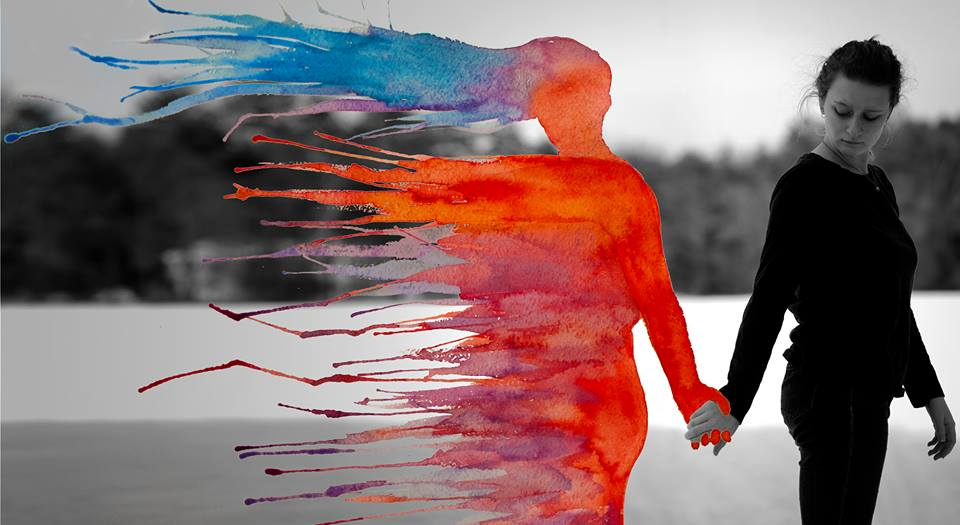
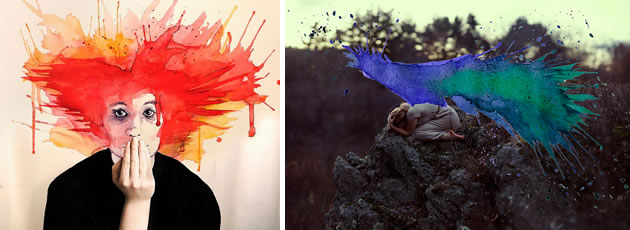
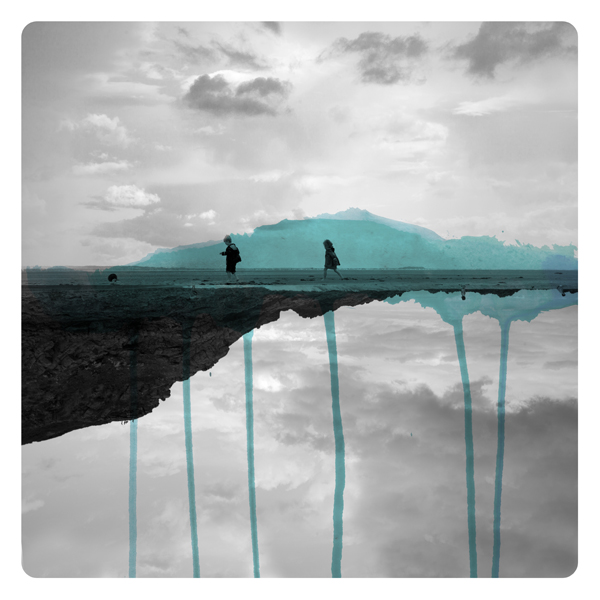
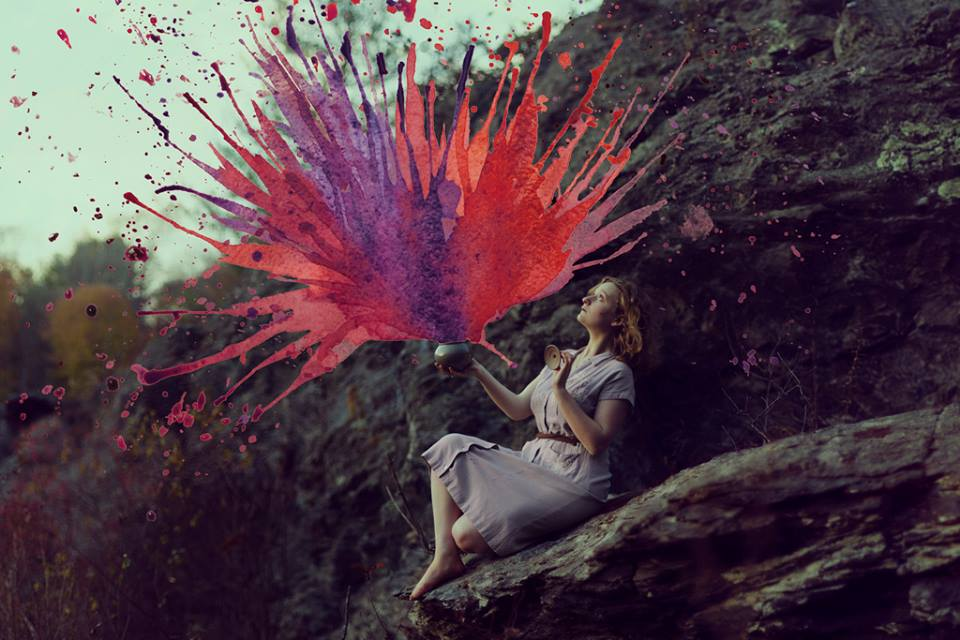
Option 3:  Be inspired by the works of Aliza Razell > http://goo.gl/ckcuSy  and redraw part of the image with paint, pencil or pen.  Similar to the other options, this technique involves more than applying painterly colors or textures to a work.  Aliza erases part of the photograph and fills it in with a hand painted image.  Most high school art students I know can also draw very well.  This technique can be a great way to show off multiple strengths.
Aliza Razell photography

Option 4: Glue a photo or magazine picture into your sketchbook. Extend the photo out by drawing the rest. You can draw it realistically or illustrate it cartoon-like.


Trigger Mechanisms: Expressionism, abstraction, analogy & metaphor

Visual Examples:
Gerhard Richter > http://goo.gl/709vrE
Fabienne Rivory > http://goo.gl/wKfIUF
Aliza Razell > http://goo.gl/ckcuSy


Friday, December 4, 2015

Qualities of a Successful Concentration


Qualities of a Successful Concentration
Challenging but attainable > Breadth Studio Activities

Goal Concept:
Understand and be able to cultivate creativity strategies and improve time management.

Access Prior Knowledge:
“It’s not where you take things from—it’s where you take them to.” ~ Jean-Luc Godard

Instructional Strategy
  • Identify similarities and differences
Learning Activity

New Information:
Qualities of a Successful Concentration

Challenging but Attainable
An easy goal will provide no sense of accomplishment.  Too ambitious a goal will reduce, not increase, motivation.  No one wants to fight a losing battle!  Knowing your strengths and weaknesses will help you set realistic goals.

Compatible
Make it personal.  Doing a series on Japanese woodcuts with no interest in Japan or woodcuts makes no sense.  Using Italian architecture, because you’re studying the Roman Empire in history and you’re part Italian will work.    

Self-Directed
Avoid interests and opinions that are primarily someone else’s.  Focus improving on and building off of your strengths and interests.  This will increase your receptivity to learn and your ability to focus attention on actions you have an inherent or intrinsic motivation to follow through with.  

Clearly Defined
We all have ‘too much on our mind.’  Identifying specifics and establishing priorities help focus attention, increase productivity, and reduce stress.  Know your concentration and intent.  
  1. Identify your target.  Specificity is important.  It is nearly impossible to hit a target you cannot see.  
  2. Focus.  Reduce distractions.  Re-read your concentration statement every now and then.  
  3. Shoot for and hit your target.  Work with necessary force and energy.

Temporary
Set clear target dates, get the job done, and move on to your next piece.  Each completed work increases your self-confidence and adds momentum.  By contrast, unfinished work can drain energy and bog you down.  If necessary, delete and be ‘efficient’ so that you can complete your primary goal.

Concentration Documents from AP
Read > Studio Art Course Description > http://goo.gl/WJIhft
Read > AP Studio Art Portfolio Requirements Brochure 2014 > http://goo.gl/cDV6Jd
Read > Plan Your AP Portfolio Worksheet > http://goo.gl/PShXni
Read > Concentration Requirements > http://goo.gl/E8W7Vh
Read > AP Concentration Planner Worksheet > https://goo.gl/mBlYo0

Concentration Playbooks:
Know > SIII Concentration Playbook- 2D Design > https://goo.gl/9HZYpj
Know > SIII Concentration Playbook- 3D Design > https://goo.gl/1YAXUS
Know > SIII Concentration Playbook- Drawing > https://goo.gl/DRLLW7

Concentration Resources:
Read > Aesthetics and the Concentration > https://goo.gl/bQ2XjY  
Read > Concentration SMART Goal > https://goo.gl/051OFu  
Read > Designing a Long-term Series > https://goo.gl/NeSiUq  
Read > Qualities of a Successful Concentration > https://goo.gl/ZYqgyT


Apply Knowledge and Skills:
Instructional Strategy
  • Nonlinguistic representation
Learning Activity
Create > Synectic Concentration Series

Goal Concept:
Conceptualize known visual information, patterns and ideas into something new by altering it with a Synectic Trigger Mechanism > http://goo.gl/8UqePf.  

Studio Activity: Synectic Concentration Series
Step 1:
Choose what type of art theme will you use:
-still-life    -portrait    -figure        -object        -historical
-landscape    -seascape    -narrative    -mythical    -self-portrait
A landscape can be an inspiring & awesome narrative.
A still-life may evoke dramatic story telling qualities.
A portrait could be an intense emotional narrative.
Step 2:
Choose what type of media you will use:
-pencil -colored pencil -pastel
Step 3:
Day 1 & 2 - Complete Board 1 - Observational Theme Drawing
Step 4:
Day 3 & 4 - Complete Board 2 -
Altered with a Synectic Trigger Mechanism > http://goo.gl/8UqePf
Step 6:
Day 5 & 6 - Complete Board 3 -
Altered with a Synectic Trigger Mechanism > http://goo.gl/8UqePf
Step 7:
Day 7 & 8 - Complete Board 4 -
Altered with a Synectic Trigger Mechanism > http://goo.gl/8UqePf


Generalize, Publish and Reflect:
Instructional Strategy
  • Evaluate the results
Learning Activity
Reflect > Should I go back and rework anything?
  • How did you combine art elements (line, color, shape, texture, value)  to develop art principles? (Unity/variety, balance, emphasis contrast, rhythm, proportion/scale, figure/ground relationship)
  • Where are the dominant shapes, forms, colors, or textures that carry expressive significance?
  • Why Is the work ordered and balanced or chaotic and disturbing?
  • What gives the work its uniqueness?
  • Is symbolism used in the work to convey meaning other than what one sees?
  • Does the work evoke any feelings?

Instructional Strategy
  • Providing Recognition
Learning Activity
Publish > Share your album to our G+Community > Concepts & Creations category
Display > Add your photos to the Event

Instructional Strategy
  • Providing Feedback
Learning Activity
Critique >
  • Give positive feedback > +1 every image that deserves it
  • Give peer feedback > Give 2 peer images a VTS critique > http://goo.gl/1WWmBY
Self-assess >

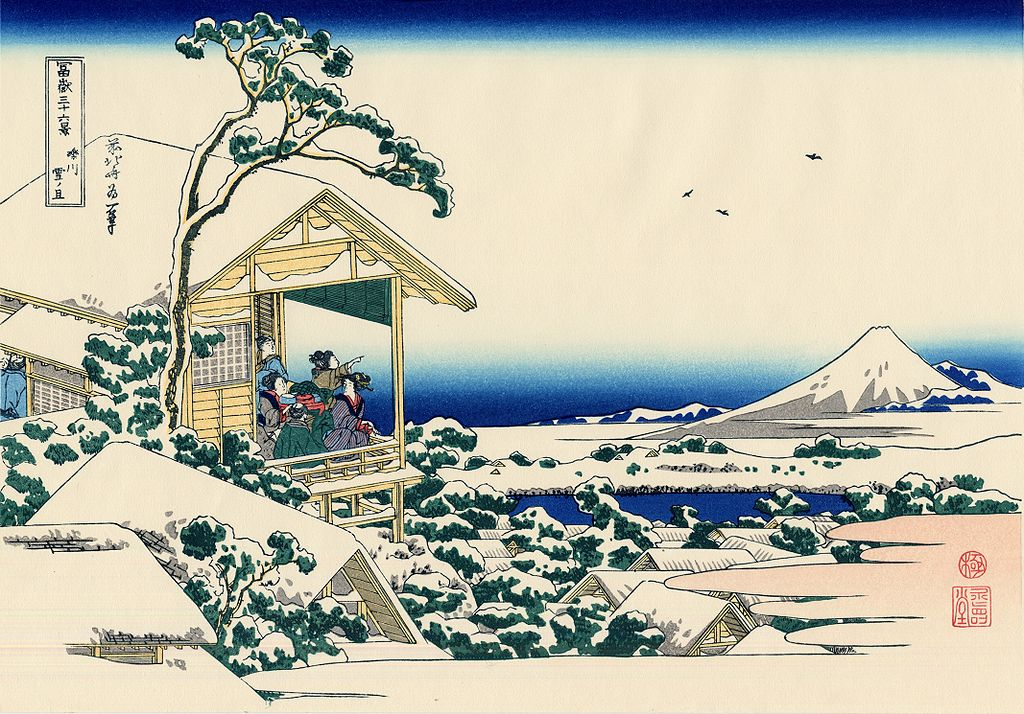
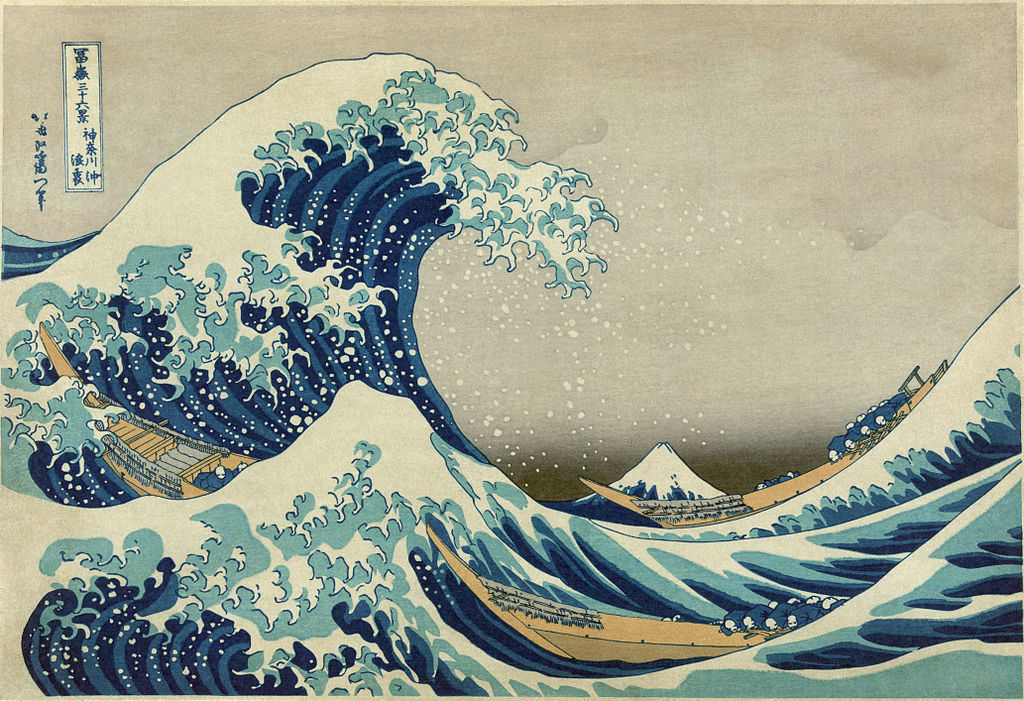
“Hokusai wrings a cry from you, but he does it by his line.  The waves are claws and the ship is caught in them.  You feel it!  If you make the color exact or the drawing exact, it won’t give you sensations like that.” ~ Vincent Van Gogh
View > Thirty-six Views of Mount Fuji - Hokusai > https://goo.gl/k5zYX


Monday, November 30, 2015

Create > Perception of Forms and Forces

Piet%2BMondrian4.jpg

Goal Concept:
To fully control pictorial organization, you, the artist must be aware of the psychological forces in a composition and orchestrate them, along with visible elements such as shape, form and color to produce a visual-psychological synthesis.

Access Prior Knowledge:
“A painting speaks only when it is seen as a configuration of forces, generated by its various visual components.”  ~ Rudolph Arnheim

New Information:
The Perception of Forms and Forces
Look at the square with the dot inside it.
Ask > “How do I know the dot is in the center of the square?”
    
It is perceived to be in the exact center because the dot interacts with an “invisible grid” - a psychological force field that is mentally projected to the figure.  This psychological matrix is in the form of an “x” which connects the four corners of the square.  Ultimately the visible and invisible elements lead us to the correct spatial determination of the dot.  

The “invisible grid” is a psychologically projected matrix of visual forces which tells us the dot is in the center.  The dynamic forces are equally balanced.  

In every perceptive act, there is a similar coordinated effort of eye-brain action which scans and maps the forms and force fields involving thousands of subconscious measurements that determine the size, position, proportion and movement of visual elements.

> Think about parking a car, spiking a volleyball, catching a baseball, squeezing through anything, passing a soccer ball or skiing a mogal.  
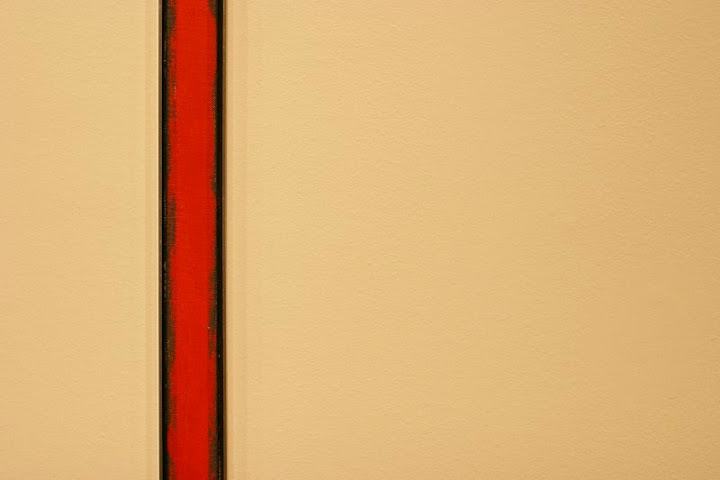
Barnett%2BNewman4.jpg
Art References:
Barnett Newman > http://goo.gl/LmS2Be
Piet Mondrian > http://goo.gl/dLO2
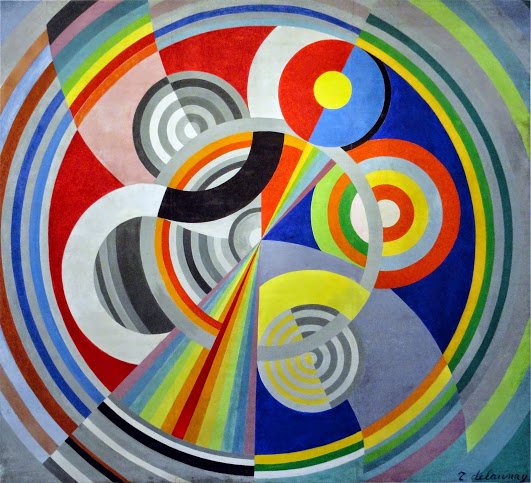
Robert Delaunay > http://goo.gl/GftAr
Hans Hofmann >  http://goo.gl/lm2EzV


Apply Knowledge and Skills:

Instructional Strategy
  • Identifying Similarities and Differences
Learning Activity

Instructional Strategy
  • Nonlinguistic Representations
Learning Activity
Create > Shapes and Forces

shapesnforces.jpg

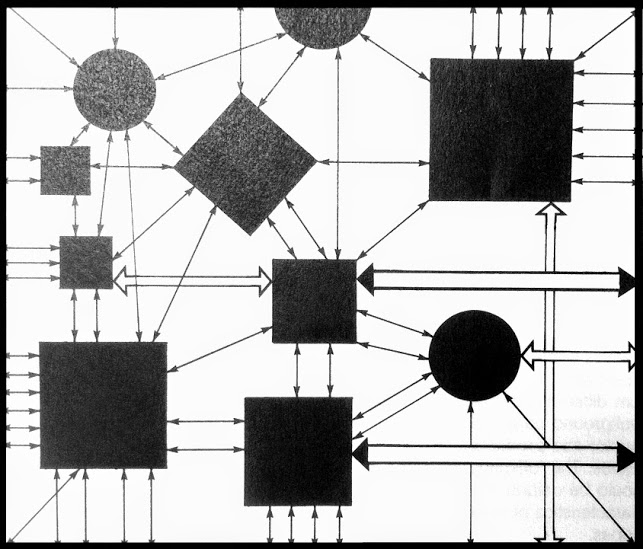
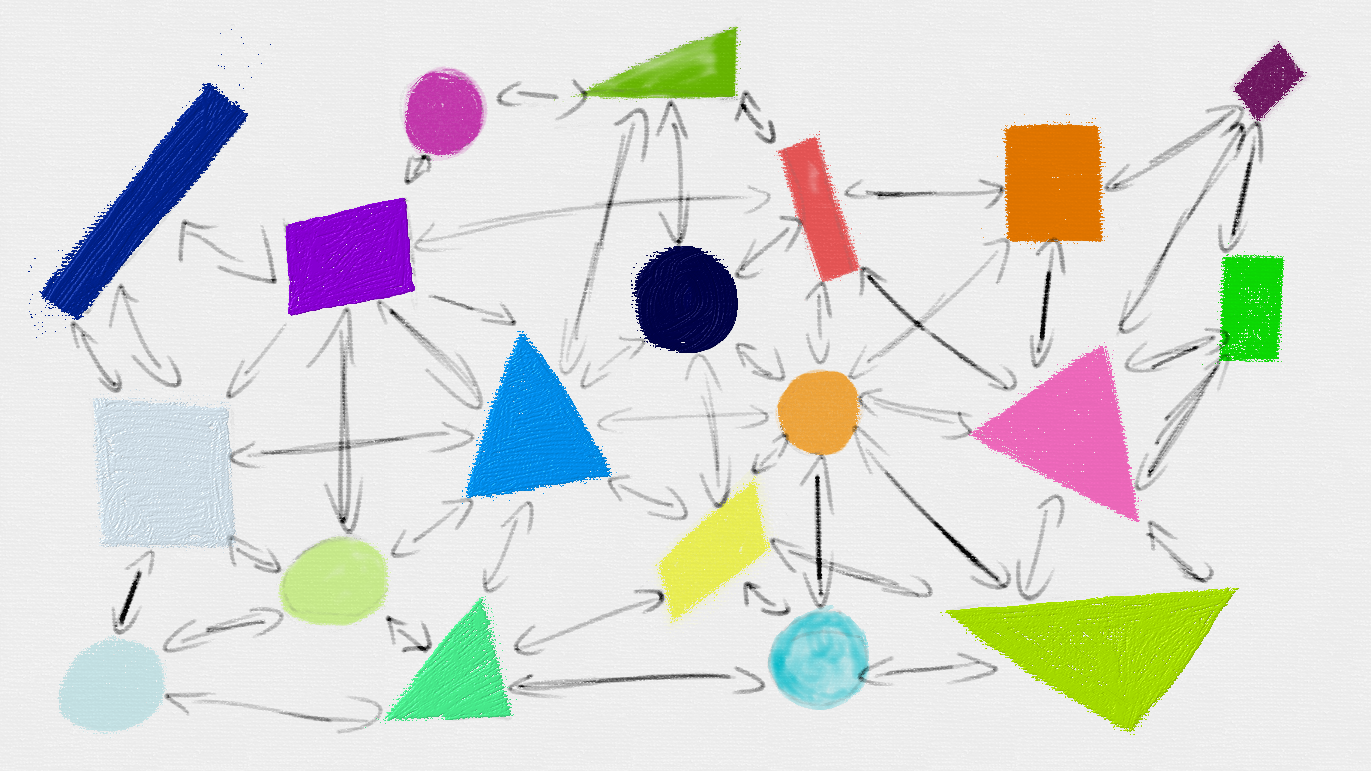
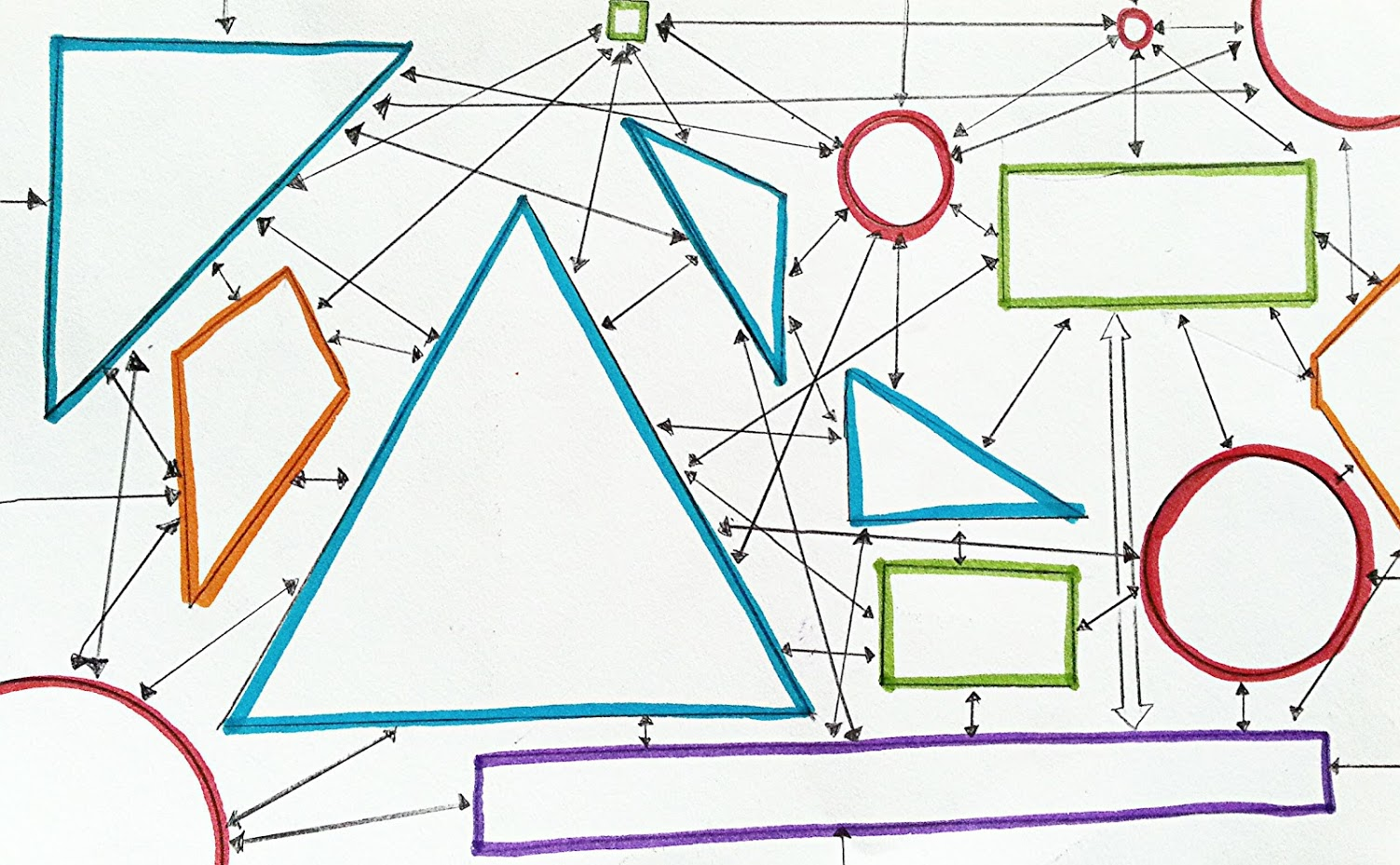
Goal: Create a visual field showing a network of interacting forces

Studio Activity: Shapes and Forces
Choose one of the following geometric shape compositions.
Understand > the arrangement of shapes creates various relationships between the shapes, the shapes and the edges of the format and the figures and ground.  
Visualize > these relationships as the psychological forces in your picture.
Draw > the invisible forces on your picture.  There is no ‘right ’or ‘wrong’ way to do this exercise.  In your own way, try to sense the invisible ‘push-pulls’ that lead your eyes this way and that way. With a marker, draw big symbolic arrows to suggest powerful forces, smaller symbolic arrows to depict weaker tensions, use dashed lines or solid lines, double lines or skinny single lines..  

Day 2, choose from markers, pens, colored pencils or any other media to accentuate the relationships and forces you identified among the shapes.

Trigger Mechanisms:
Repeat, combine, animate

Materials:
paper, glue stick, ruler, compass, scissors, felt-tipped marking pens, templates

Instructional Strategy
  • Nonlinguistic Representations
Learning Activity
Create > Energy Encounter


Goal: Combine different force fields in a single plane of reference

Studio Activity: Energy Encounter  
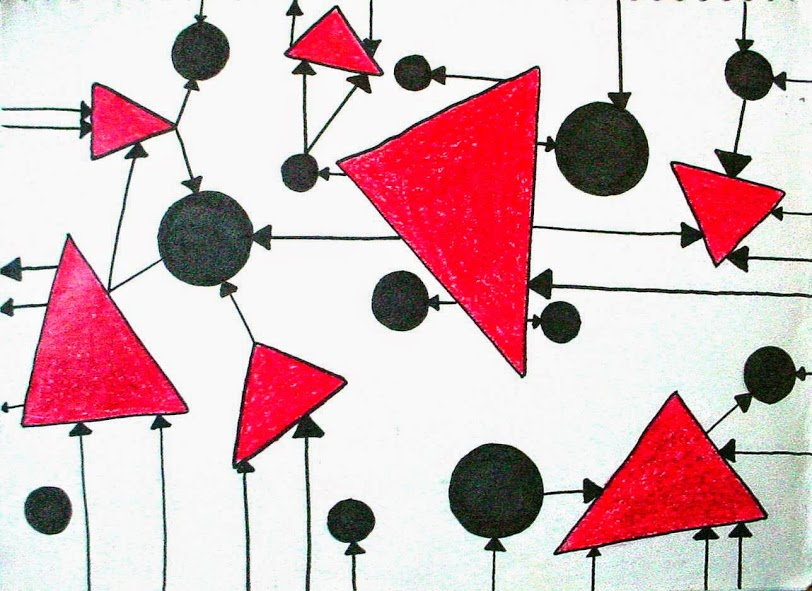
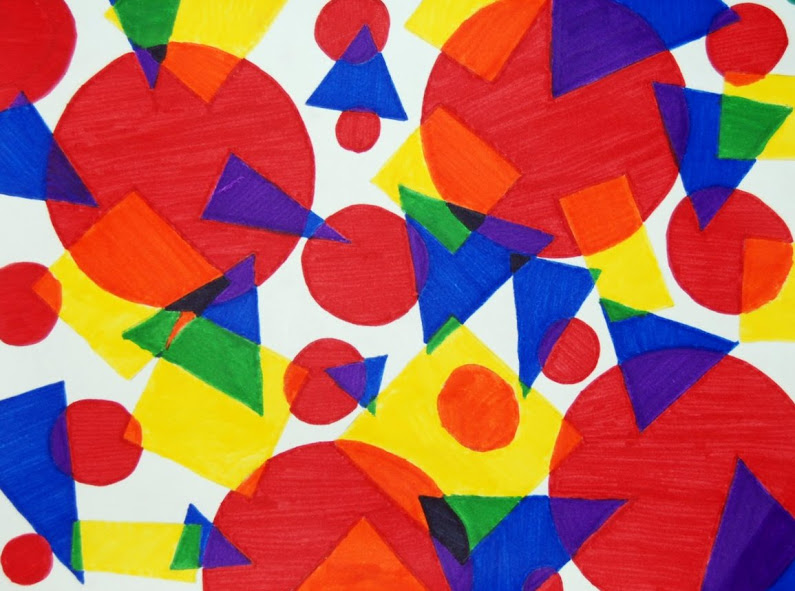
Imagine different ‘teams’ of abstract shapes interacting in the same visual space.  Symbolize each ‘team’ in a different way, ex, by straight, curved or dotted lines.  With a sharpie marker “weave” the symbolic team lines together to produce a hybrid energy texture.  Another analogy would be to imagine an army of circles approaches from the right, while an army of triangles approach from the left.  Show the approaching armies and also show the ‘messy’ battle of the two interacting forces in the middle.

Trigger Mechanisms:
Repeat, Combine, Superimpose, Animate

Robert%2BDelaunay4.jpg

Generalize, Reflect & Publish:
Instructional Strategy
  • Evaluate the results
Learning Activity
Reflect > Should I go back and rework anything?
  • How did you combine art elements (line, color, shape, texture, value)  to develop art principles? (Unity/variety, balance, emphasis contrast, rhythm, proportion/scale, figure/ground relationship)
  • Where are the dominant shapes, forms, colors, or textures that carry expressive significance?
  • Why Is the work ordered and balanced or chaotic and disturbing?
  • What gives the work its uniqueness?
  • Is symbolism used in the work to convey meaning other than what one sees?
  • Does the work evoke any feelings?

Instructional Strategy
  • Providing Recognition
Learning Activity
Publish > Share your album to our G+Community > Concepts & Creations category
Display > Add your photos to the Event

Instructional Strategy
  • Providing Feedback
Learning Activity
Critique >
  • Give positive feedback > +1 every image that deserves it
  • Give peer feedback > Give 2 peer images a VTS critique > http://goo.gl/1WWmBY
Self-assess >