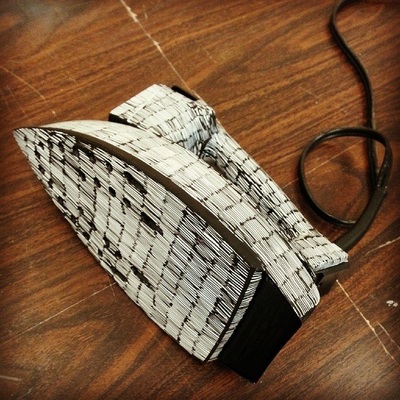
Wednesday, October 28, 2015

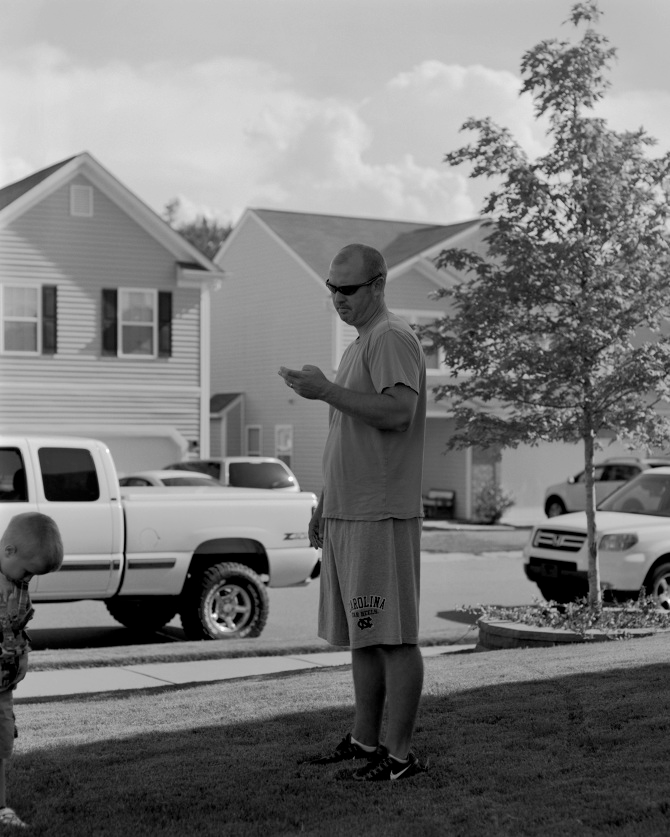
Great Example of a Concentration Series - Eric Pickersgill's > Removed


Developing a Concentration

  1. Determine Essential Concept
  2. Explore Polarities
  3. Move from General to Specific
  4. Move from Personal to Universal
  5. Develop Alternatives
  6. Edit Out Non-essentials
  7. Amplify Essentials

Is there?:
  1. Clear Topic Statement
  2. Evidence of research
  3. Evidence of personal interest
  4. Evidence of universal appeal
  5. Clear goals or motive to gain from the experience.

Student Commentary:
What is the central idea of your concentration?
How does the work in your concentration demonstrate the exploration of your topic. You may refer to specific images as examples.  When referencing specific images, please indicate the image numbers.


Check out Sherry Turkle’s - Reclaiming Conversation


Barbara deWilde

Sherry Turkle CreditPeter Urban

Check out Benjamin Starr’s article for Visual News > This is What Phone Addiction Looks Like… Without the Phones http://www.visualnews.com/2015/10/15/this-is-what-phone-addiction-looks-like-without-the-phones/

Check out Eric Pickersgill’s photo concentration - Removed

    The joining of people to devices has been rapid and unalterable. The application of the personal device in daily life has made tasks take less time. Far away places and people feel closer than ever before. Despite the obvious benefits that these advances in technology have contributed to society, the social and physical implications are slowly revealing themselves. In similar ways that photography transformed the lived experience into the photographable, performable, and reproducible experience, personal devices are shifting behaviors while simultaneously blending into the landscape by taking form as being one with the body. This phantom limb is used as a way of signaling busyness and unapproachability to strangers while existing as an addictive force that promotes the splitting of attention between those who are physically with you and those who are not.

    The work began as I sat in a café’ one morning. This is what I wrote about my observation:
         Family sitting next to me at Illium café in Troy, NY is so disconnected from one another. Not much talking. Father and           two daughters have their own phones out. Mom doesn’t have one or chooses to leave it put away. She stares out the           window, sad and alone in the company of her closest family. Dad looks up every so often to announce some obscure           piece of info he found online. Twice he goes on about a large fish that was caught. No one replies. I am saddened by           the use of technology for interaction in exchange for not interacting. This has never happened before and I doubt we           have scratched the surface of the social impact of this new experience. Mom has her phone out now.

    The image of that family, the mother’s face, the teenage girls’ and their father’s posture and focus on the palm of their own hands has been burned in my mind. It was one of those moments where you see something so amazingly common that it startles you into consciousness of what’s actually happening and it is impossible to forget. I see this family at the grocery store, in classrooms, on the side of the highway and in my own bed as I fall asleep next to my wife. We rest back to back on our sides coddling our small, cold, illuminated devices every night.

  The large format portraits are of individuals who appear to be holding personal devices although the devices have been physically removed from the sitter’s hand. They are asked to hold their stare and posture as I remove their device and then I make the exposure. The photographs represent reenactments of scenes that I experience daily. We have learned to read the expression of the body while someone is consuming a device and when those signifiers are activated it is as if the device can be seen taking physical form without the object being present.


Monday, October 19, 2015

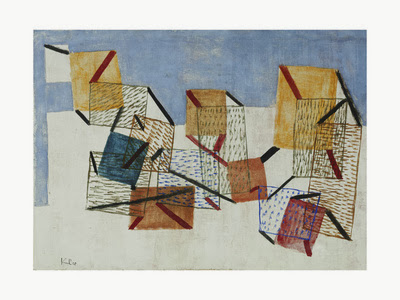
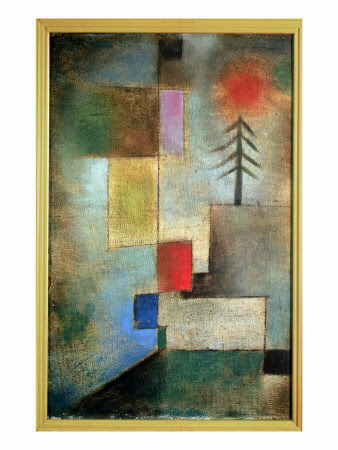
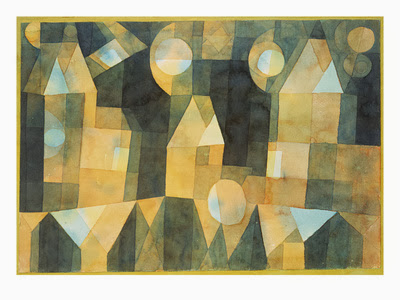
Create > Paul Klee Abstract Perspective

Create > Paul Klee Abstract Perspective


Goal:  
Create an abstract artwork derived from an accurate perspective rendering of a space.


Studio Activity:
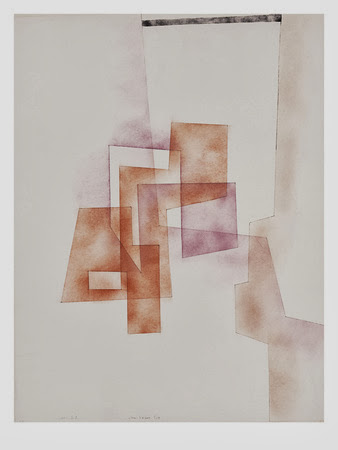
Be inspired by the works of Paul Klee > http://goo.gl/i1NWjB   
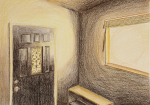
  1. Using a pencil create a drawing of an interior seen from another interior.  For example, draw the interior of a closet as seen from the interior of your room.  Another example would be drawing the interior of a room with an open door/window showing the interior of another room.  Emphasize a dynamic point of view with interesting angles and convergence. Use correct perspective techniques.  Fully develop the drawing using a range of values.  
  2. Next use that line drawing to create a cut or torn paper/fabric collage.  Extract out the forms in your drawing and reduce them to geometric shapes.  Then cut out those shapes and rearrange them to make a collage.   
  3. Next, create an abstracted shape work inspired by Paul Klee and done with oil pastels.   Paul Klee > http://goo.gl/i1NWjB


Trigger Mechanisms: Abstraction, Fantasy, Distortion


Visual Examples:


Friday, October 16, 2015

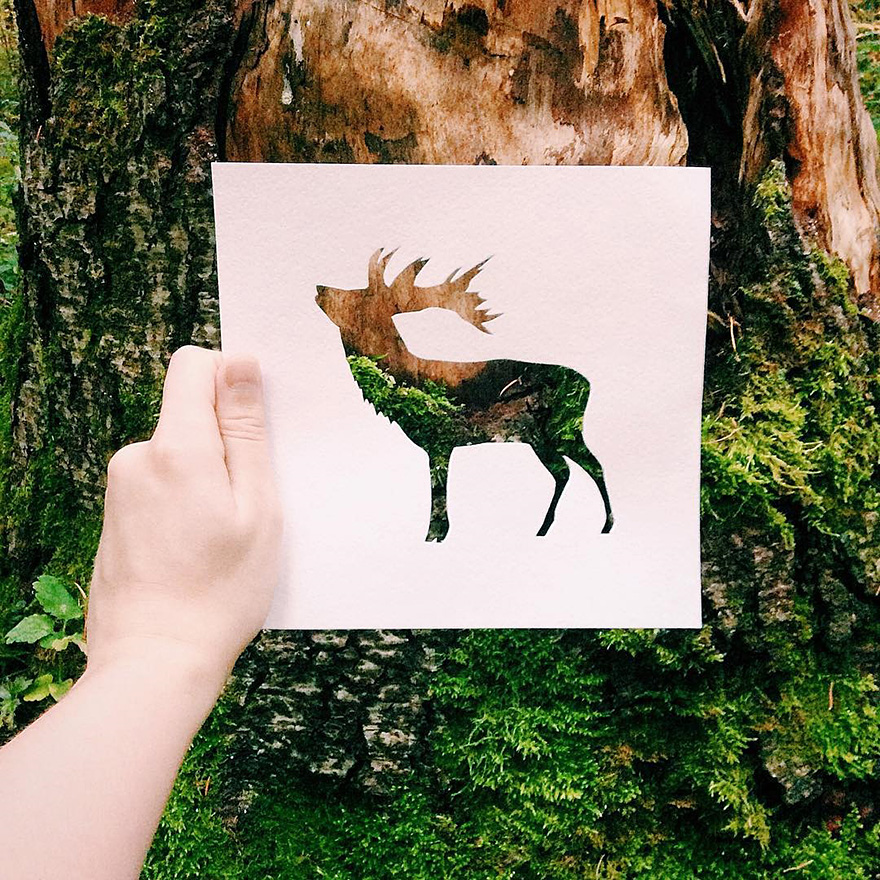
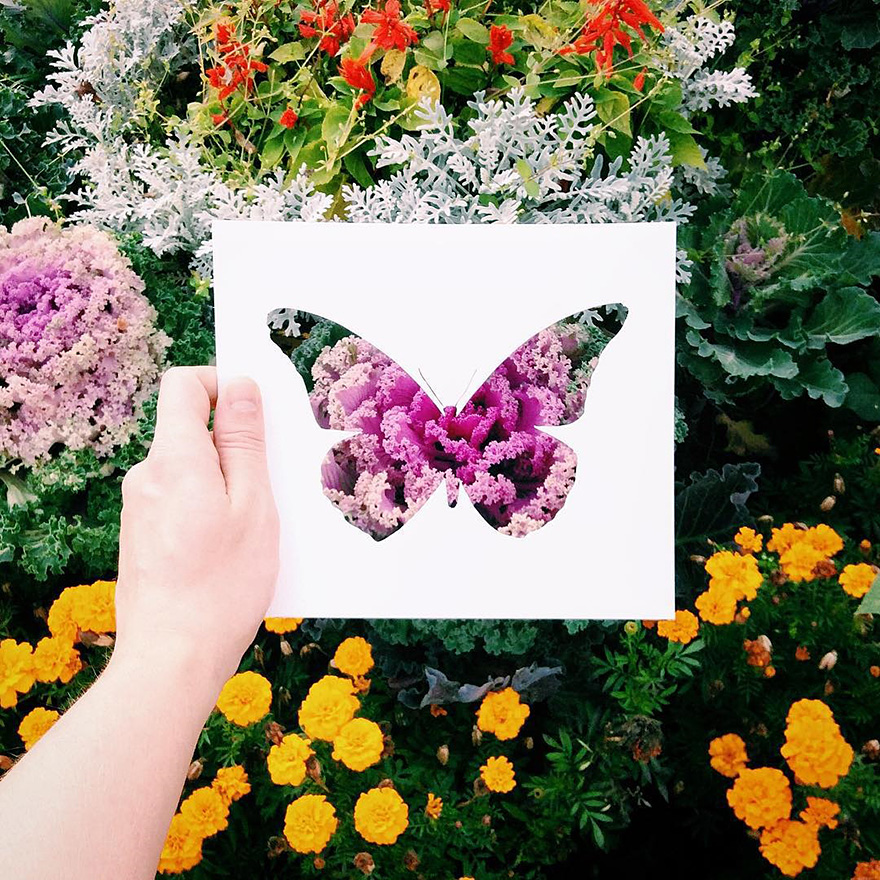
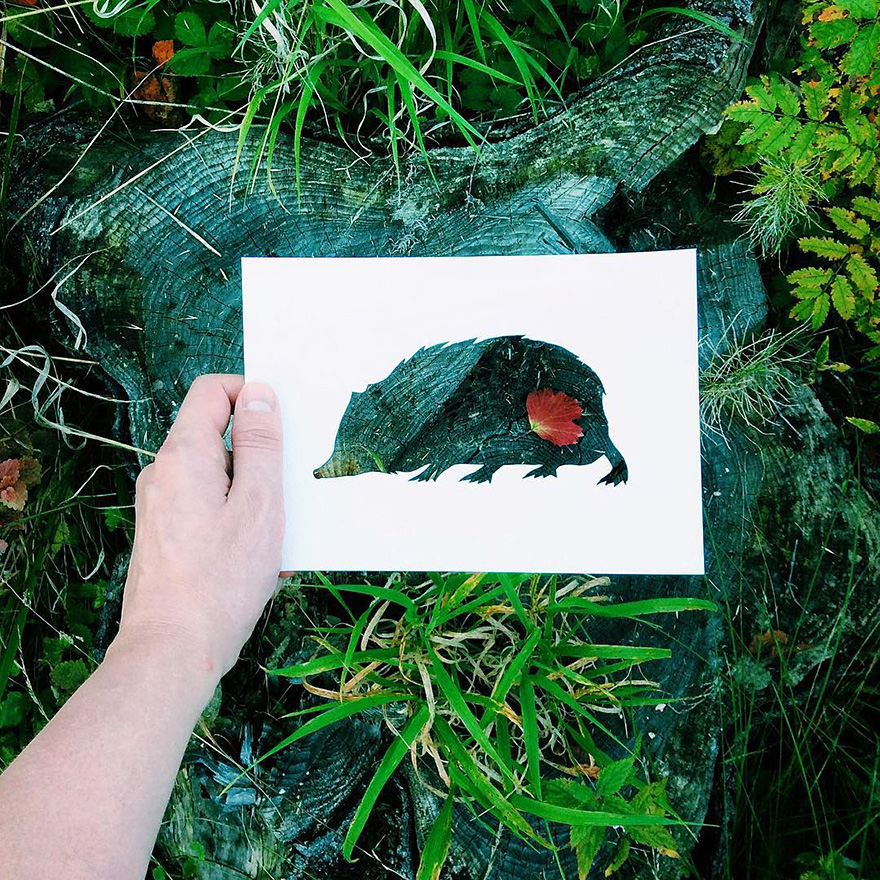
Create > Paper Animal Silhouettes

Create > Paper Animal Silhouettes


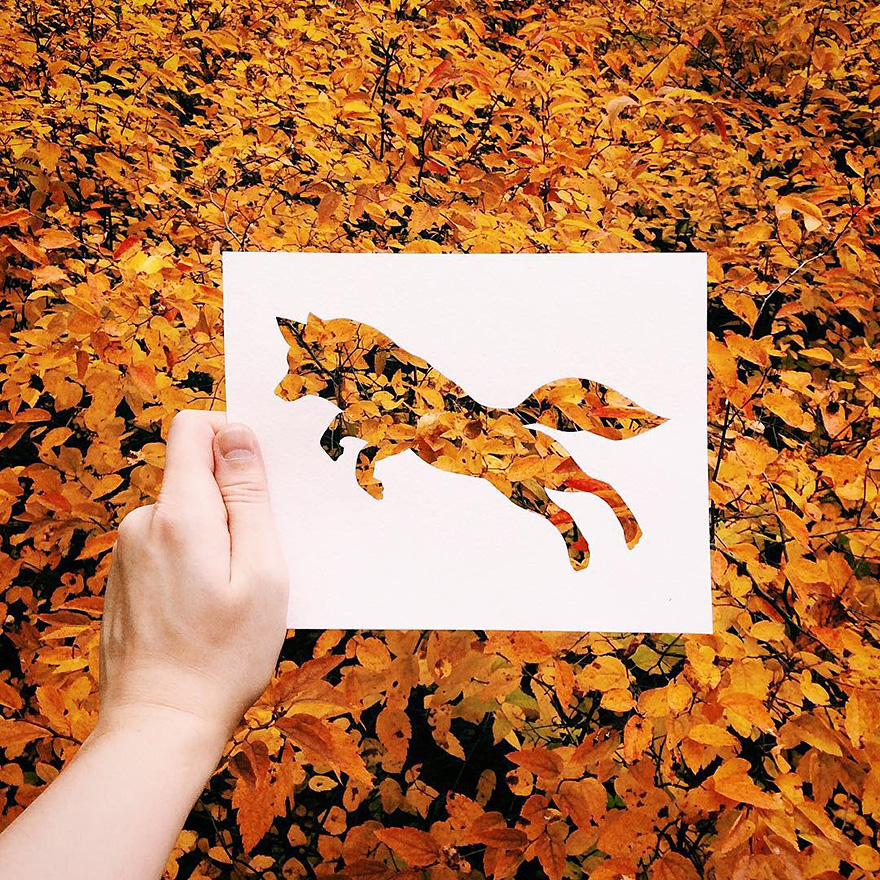
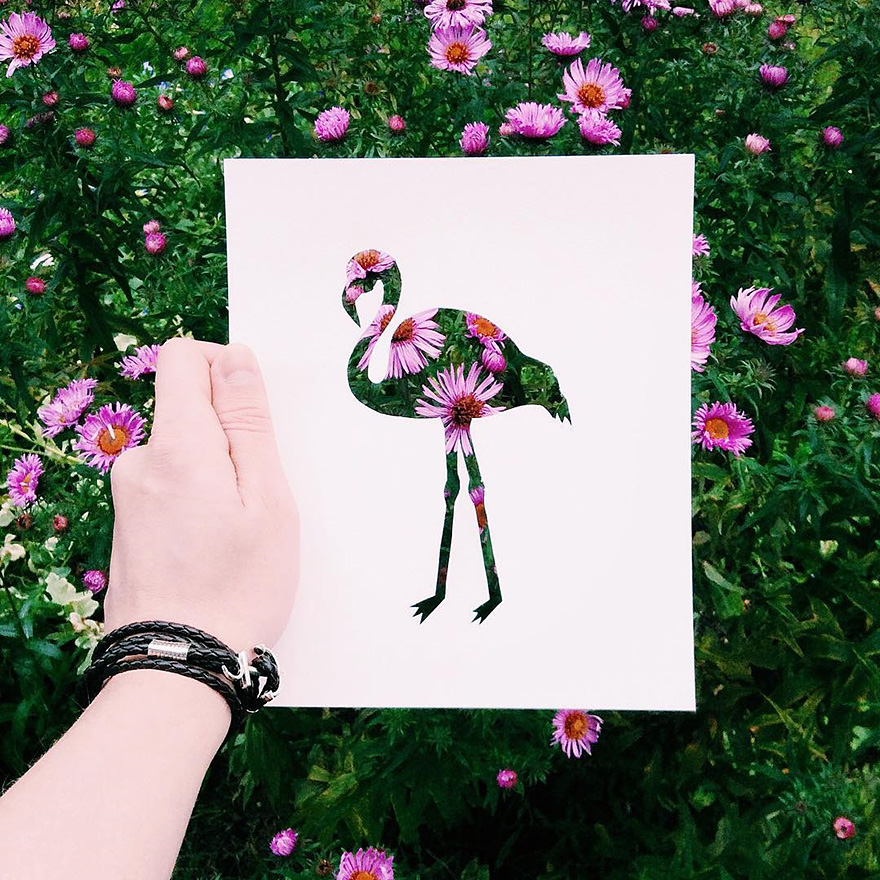
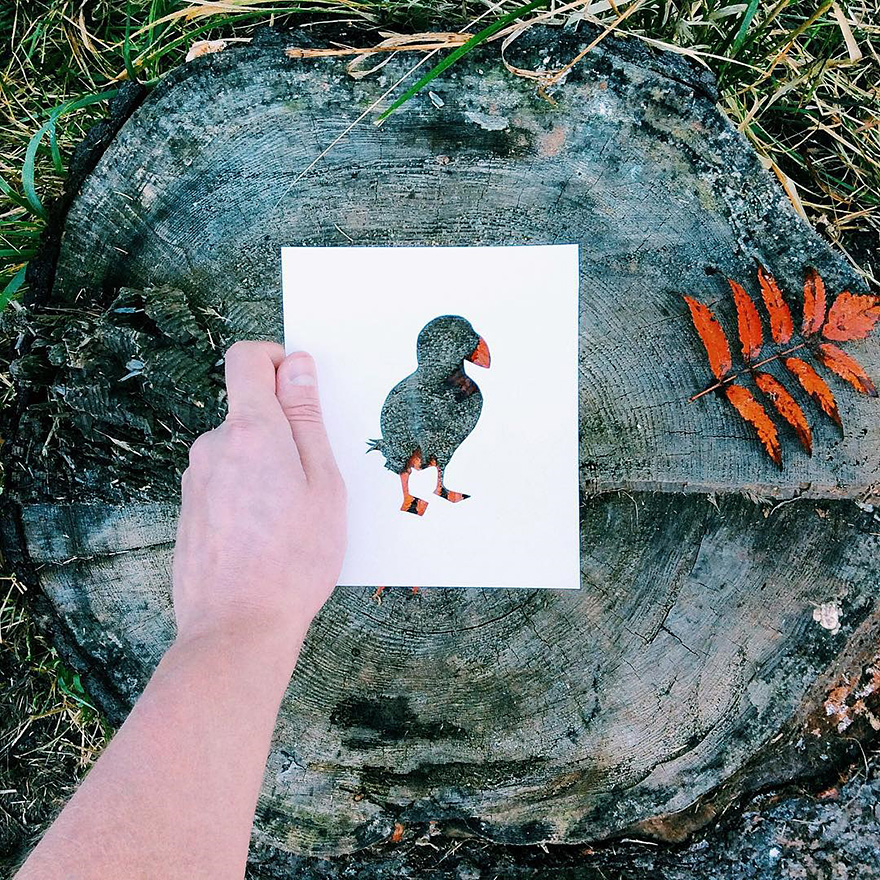
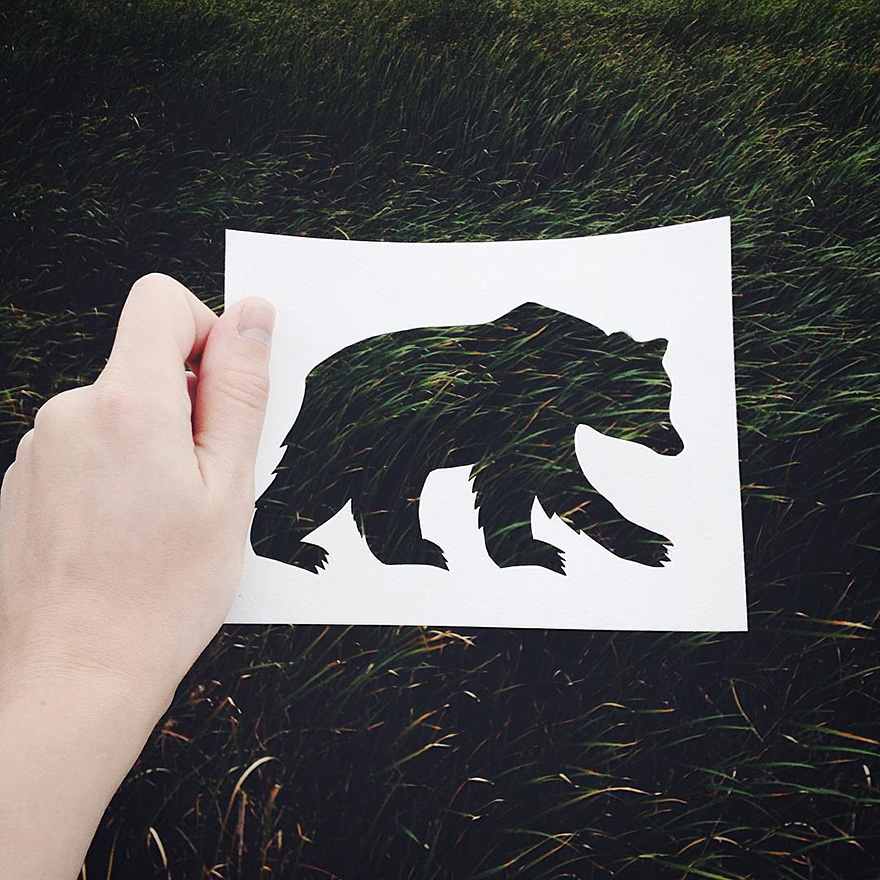
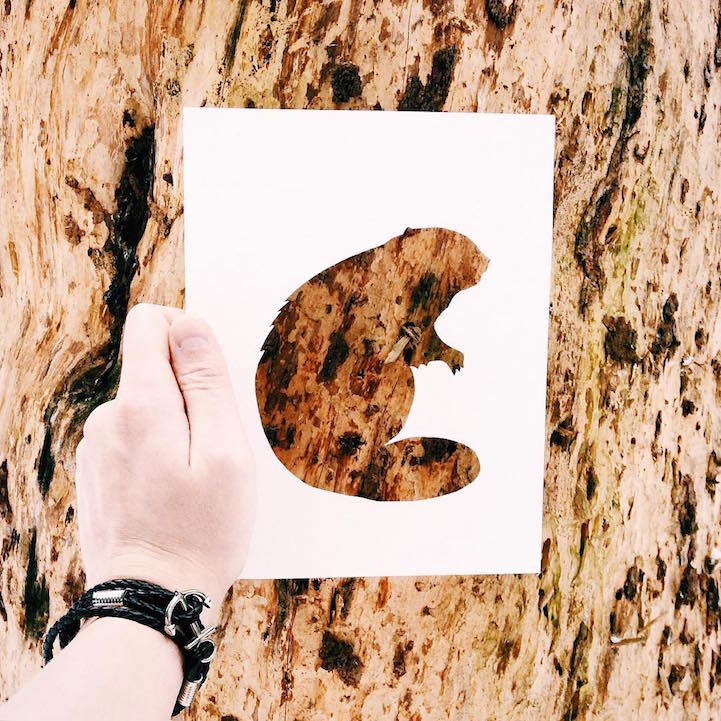
Goal: Create a series of 5 images that use cut-out shapes to create silhouettes.


Studio Activity:
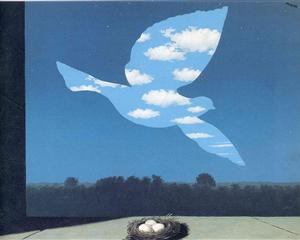
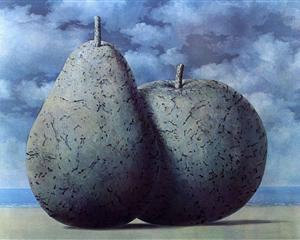
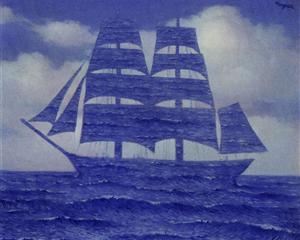
Be inspired by the work of Nikolai Tolstyh > https://instagram.com/n_tolstyh/ .  Look at how he uses cut paper to emphasize form and figure ground illusions.  Feel free to expand upon the idea and explore the effects with other shapes, different colored paper or multiple layers.  Experiment with cropping and filters. Make a connection with French painter Rene Magritte’s work > http://goo.gl/pXNgYV


Trigger Mechanisms: Figure-ground, texture, camouflage


Visual Examples:


Thursday, October 15, 2015

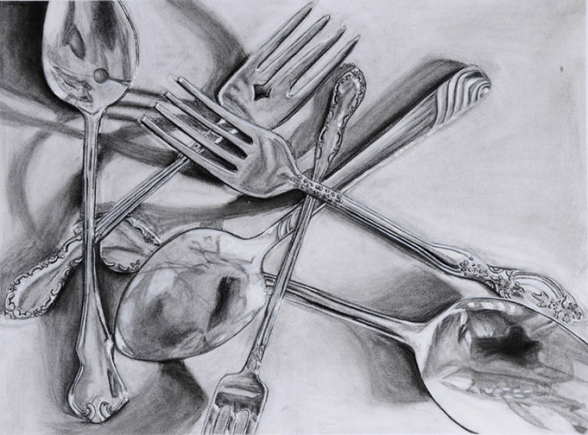
Create > Shiny Silverware (or anything) Still Life

Create > Shiny Silverware (or anything) Still Life

kristia silverware

Goal:  Accurately rendered reflective surfaces.

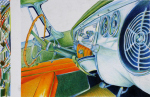
Studio: Set up a still life of shiny metal silverware.  Keep in mind the rule of thirds for a good composition.  Drawing reflective surfaces is easy if you see and draw the lights and darks.  The shadows and highlights are clearly defined and warp to the shape of the metal object.  You may want to photograph your still life and turn the image upside down to draw it.   Check this tutorial > http://goo.gl/rdfZ05 and watch this time lapse video > How to Draw Spoon > http://goo.gl/BH3Kjr

Trigger Mechanisms: Design, Value, Accuracy
Visual Examples: Pinterest > http://goo.gl/T6clGQ
Materials: Toned Paper, pencil, tortillion, white charcoal

painting by Marco Reichert:

View the album on Flickr.:

Soup to Nuts, Laurie Goldstein-Warren:

saxophone art:

AP Art Concentration Examples | Mrs. Dowling's Art Blog: ALL AP STUDENTS Scholastics Art Contest:

JEANNE ILLENYE - Still Lifes: sterling silver spoons oil painting blue peeling paint rustic wood table 7x5 in.:

Anne Abgott's Watercolor- | Silver  Study how reflections occur:

flatware Ria Hills:

silverware still life:


Friday, October 9, 2015

Create > End of the Story

Create > End of the Story


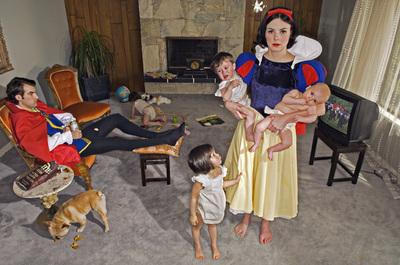
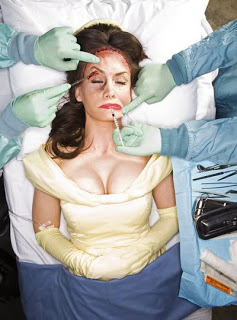
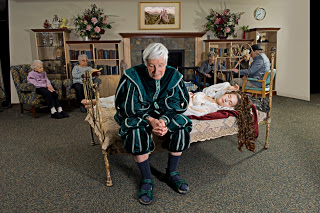
Goal:  Create a series of images depicting the ‘real’ ending to a familiar story

Studio Activity:
  • Chose a familiar story we all know (think fables, fairy tales or historical events)
  • Stage a photoshoot that tells the longitudinal ending

Trigger Mechanisms:  Humor, metaphor, fantasize

Visual Examples:


Friday, October 2, 2015

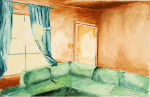
Create > Room with a View

Create > Room with a View

9485c717569ec5f937c7614d30107ab2

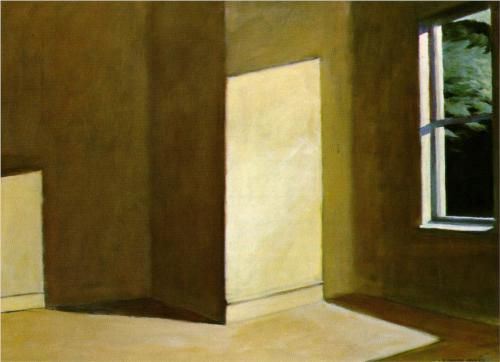
Goal:  Use 1 or 2 point linear perspective to create a naturally lit interior space.

Studio Activity:

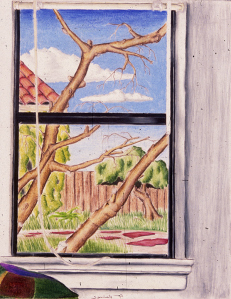
  1. Use 1 or 2 point perspective to create a convincing interior space that includes a door or a window that lets in light.
    1. This piece should be more about how the light comes through the window or doorway and less about the view outside.
  2. Work from a photo that you take and render in color (prismacolor pencil or paint)
  3. Capture an interesting part of a room with a window or doorway that has light coming through it.  Choose carefully a room from your home, the library or ornate restaurant.
  4. Where you stand when you take your photo will determine if the image will use 1 or 2 point linear perspective.
    1. DO NOT take the photo of the window with very little of the room showing window
    2. Step back and get the room (SHOW DEPTH) Do this instead 28a82debf92272784039d55305b8f15c
    3. DO NOT design a symmetrical compositions. Use the rule of thirds grid on the camera to help you design an asymmetrical composition. Rule of Thirds > http://goo.gl/TCdyMx
    4. Stand to the side of the window, not right in front of it. And stand back far enough that you can see the wall meeting the ceiling or floor or both. You must show the light coming from the window or door as it falls on the wall or floor in the room.
    5. *You must take the photo yourself or your work will not be original. Click > http://goo.gl/H9m6v  for more info on plagiarism and ethics in art.
  5. When you take the photo is very important because the light is an emphasis of the composition.  The time of day and location of the room will determine how the light enters.
  6. Print out your photograph in black and white.
  7. Determine if your image/drawing uses 1 or 2 point linear perspective (I will help) Horizonex2
  8. Render the piece using accurate linear perspective and a limited color pallet.  

Trigger Mechanisms: Space, Perspective, Lighting

Visual Examples:

Examples by AP Art students:
B-roomview
B living room light
B-room
B-RoomWithView

And here’s an excellent time lapse video of drawing a room in 2 point perspective:

Create > Living Painting

Create > Living Painting


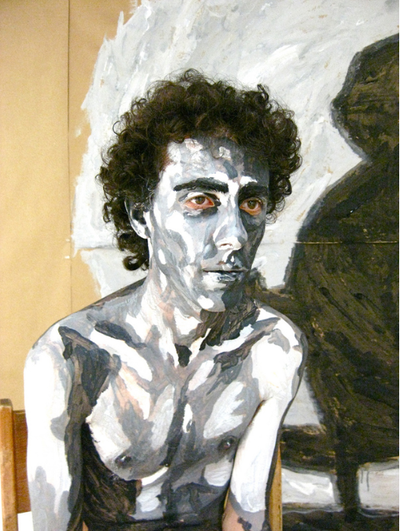
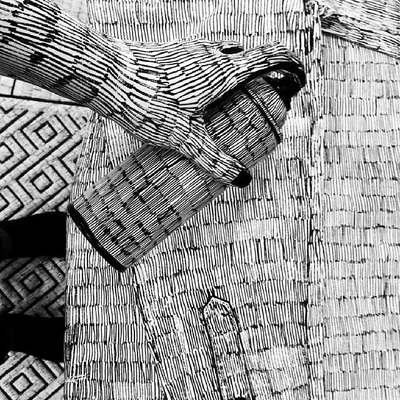
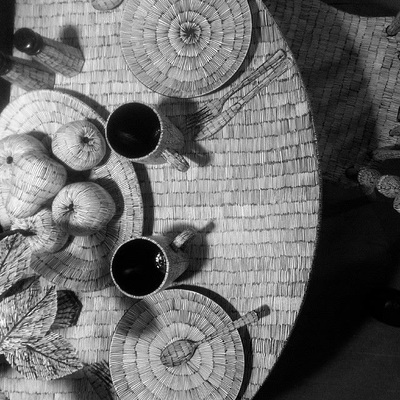
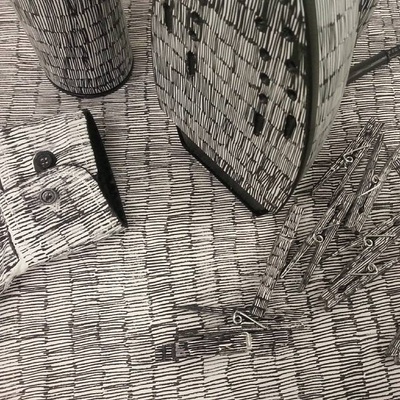
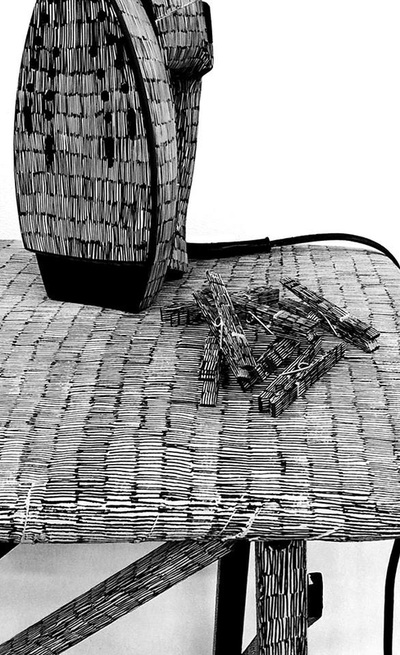
Goal:  Make a series of at least 3 photographs that give the illusion of being a painting.

Studio Activity:
  • Paint or draw on an object, place or person.
  • Use appropriate lighting to enhance the illusion
  • Photograph your found object painting from multiple points of view

Trigger Mechanisms:  Mix-media, paint, fantasize, illusion

Visual Examples:
Reverse trompe-l’oeil > http://goo.gl/gizIr
Watch > Alexa Meade > http://alexameade.com/