Tuesday, September 8, 2015

About Digital Photography

About Digital Photography


Required:
Complete > everything highlighted in yellow.


Pre-instruction Baseline Data:
Instructional Strategy
  • Focus the learning
Learning Activity


The Big Idea:
Photography communicates in a complex language and makes us artists.


Essential Questions:
  • How do I get the most out of my camera?
  • How do I capture content and make impactful images?
  • Where do I store, share and communicate with my images?


Concept:
Digital photography is allowing more individuals to capture moments and make images.  No longer burdened with expensive cameras, film and developing process, individuals with mobile phones, cameras and computers can point and shoot and make unlimited amounts of images.


Standards:
  • Understand and apply > media, techniques, and processes with skill
  • Use design > principles and functions
  • Choose and evaluate > subject matter and ideas
  • Reflect upon and assess > the characteristics and merits of both mine and other’s work
  • Make connections > between my art and other aspects of life


Goals: Know how to direct for and control pictorial design and composition
Instructional Strategy
  • Setting Objectives
Learning Activity
Focus the Learning Targets > Grading Buckets Rubric > http://goo.gl/6n9Lw


New Information:
Instructional Strategy
  • Summarizing and Note Taking
Learning Activity


View > Design Great Pictures > https://goo.gl/crL4hV


Apply Knowledge & Skills:
Instructional Strategy
  • Practice
Learning Activity
Analyze > Radioactive Cats VTS Image Analysis > http://goo.gl/H8lfNW  

Instructional Strategy
  • Practice
Learning Activity
Create > Central Photo Scavenger Hunt - https://goo.gl/dAWCSp


Generalize, Reflect & Publish:
Required Work Checklist:

Friday, September 4, 2015

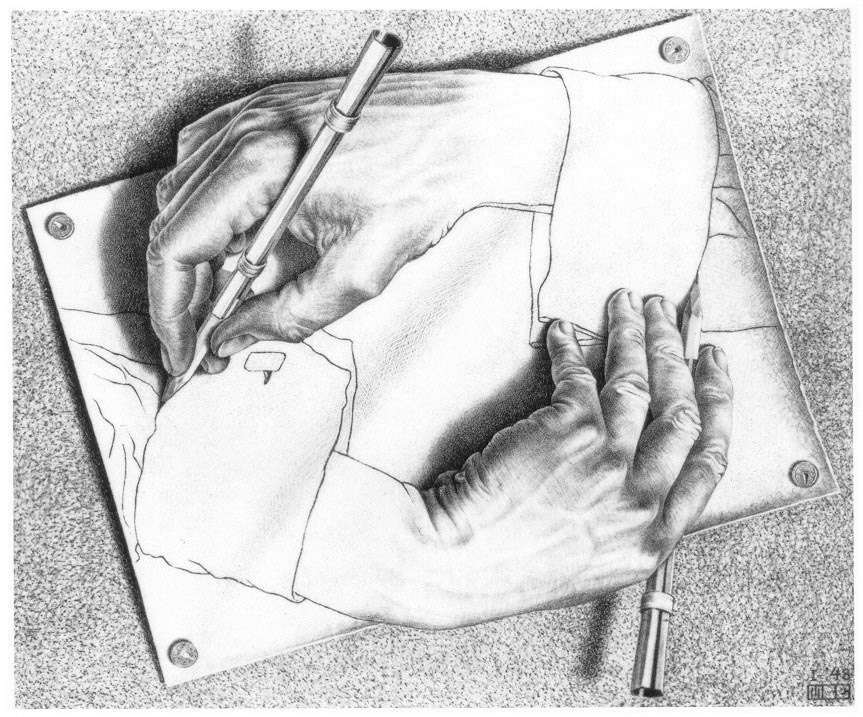
Understand > Drawing is about Observation

Understand > Drawing is about Observation

Access Prior Knowledge:
“Learning to draw is really a matter of learning to see – to see correctly – and that means a good deal more than merely looking with the eye.”  -Kimon Nicolaides.

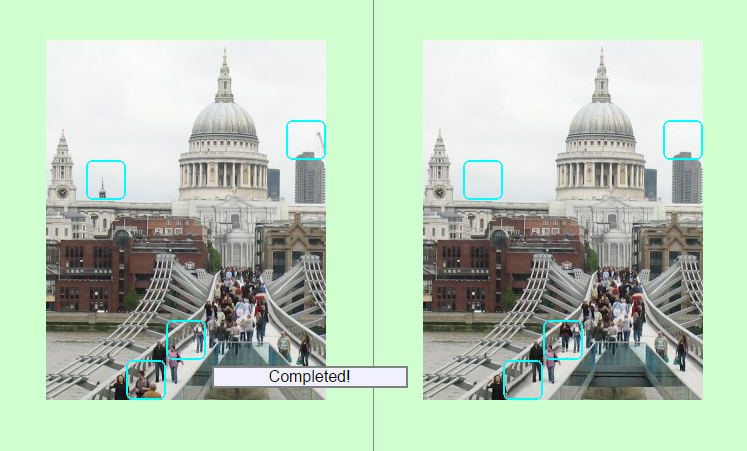
Play > Spot the Difference > http://www.spotthedifference.com/

New Information:
Drawing is about observation, about dismantling what you are looking at into the lines that make it up, and then recording those lines, one after the other, on a piece of paper.


That’s how a computer program works, zillions of tiny steps performed in the right order at the speed of light.  A Beethoven symphony?  Just read every note from the overture to the finale.  French cooking?  All you need is a clear step-by-step recipe.  Drawing works the same way.

Most anything you draw is made up of straight lines and curves and organic squiggles.  You can draw a short, reasonably straight line.  And with a little care you can draw an arc or a fairly round circle.  To improve your accuracy, just slow down.  And practice will make you better.  And as for the squiggles, well, they’re just squiggles.


But you don’t want to just learn to draw lines and arcs, any more than you want a lesson on how to boil water or how to play a single note on the piano.  It’s putting all those parts together that makes the idea of drawing satisfying and challenging.  But that’s all it is - a challenge, not an impossibility, no matter who you are.

The key to success in this course is to flip a switch that helps you see differently.  

Be kind to yourself.

Goal Review:
Respond > In the comment section paste the topic sentence and explain your reasoning.


Thursday, July 23, 2015

Create > Connections: A Collaborative Mural

Create > Connections: A Collaborative Mural


Goal:  
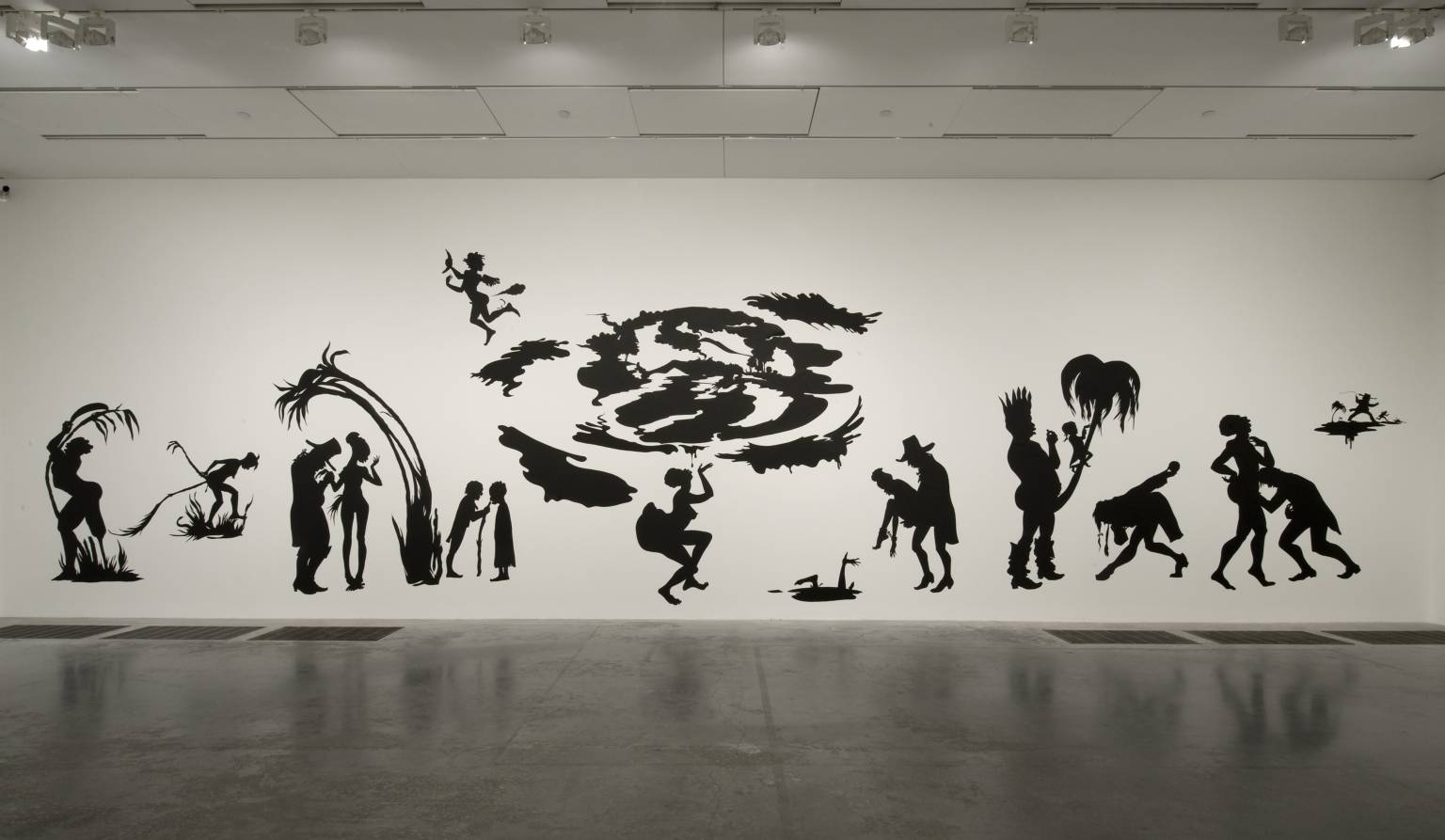
Create a mural expressing the new connections we formed with each other this week.

Studio Activity:
Be inspired by the relationships and new friends you’ve connected with this week.
  • Use aluminum foil and make a bas-relief rendering of a body part
  • Layout and adhere the foil reliefs on brown butcher paper
  • Continue to develop the ‘connections’ using black and/or white chalk

Trigger Mechanisms:  
  • Networking
  • Connections
  • Relationships

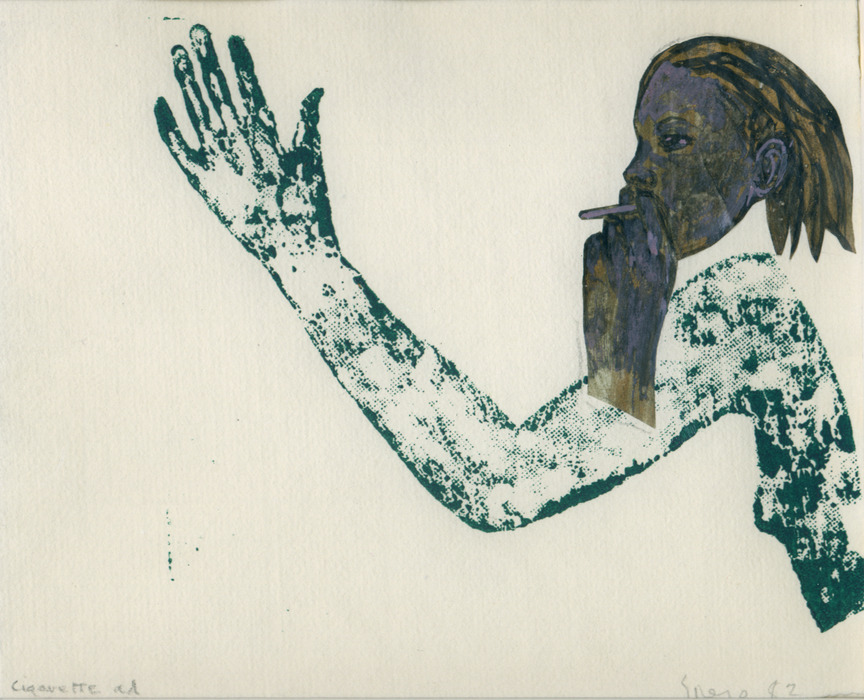
Visual Examples:


Friday, June 19, 2015

Concentration Topic > The Positivity Portfolio

Concentration Topic > The Positivity Portfolio


Required:
Complete > everything highlighted in yellow.


The Big Idea:
Photography has the power to move us to become more positive.


Essential Questions:
  • How will photography help me become more positive?
  • Why is positivity beneficial?
  • What is a Positivity Portfolio?


Concepts:
  • Positivity changes how your mind works.
  • You can train your mind to increase your positivity.
  • Positivity transforms us for the better. (more receptive and creative)
  • Positivity Portfolios trigger your own positive upward spiral toward flourishing.


Standards:
  • Understand and apply > media, techniques, and processes with skill
  • Use design > principles and functions
  • Choose and evaluate > subject matter and ideas
  • Reflect upon and assess > the characteristics and merits of both mine and other’s work
  • Make connections > between my art and other aspects of life


Goal: Know that positivity is beneficial and can be elicited through images.


Access Prior Knowledge:
Instructional Strategy
  • Cues and Questions
Learning Activity
Elicit Prior Knowledge > Positivity Alphabet > http://goo.gl/AISH6o


New Information:
Instructional Strategy
  • Cues and Questions
Learning Activity
Read > Handout - The Positivity Portfolio > https://goo.gl/KNExh7


Apply Knowledge & Skills:
Instructional Strategy
  • Cues and Questions
Learning Activity
Social Dialogue > Socratic Seminar > Achor: The Happy Secret > http://goo.gl/OMkSuf
Supplemental Information >


Generalize, Reflect & Publish:
Required Work Checklist: