Tuesday, January 30, 2018

Create > Constellation
Create > Constellation


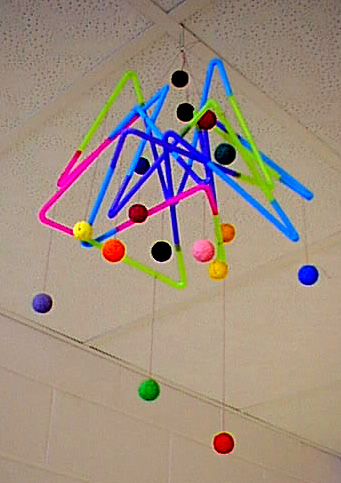
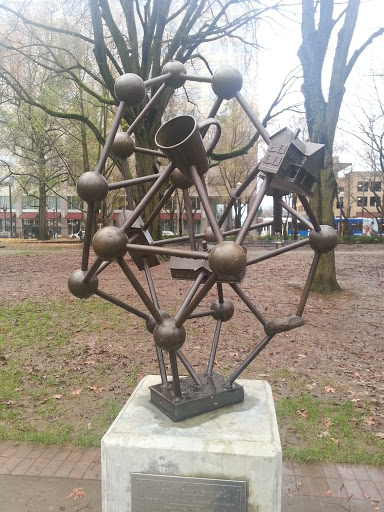
Goal:  Create a galactic-like sculpture composed of interconnected lines and nodes.

Catalysts:  
Repeat, connect, animate

Studio Activity:  
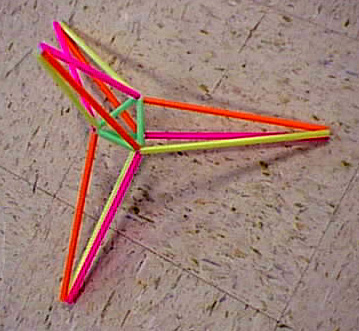
Using repeating small units (wood, straws, pvc, etc…) and different lengths of a wire or some binding mechanism, assemble a colorful 3-dimensional constellation.  Make it strong enough to stand on its own or hang and balance from above.  


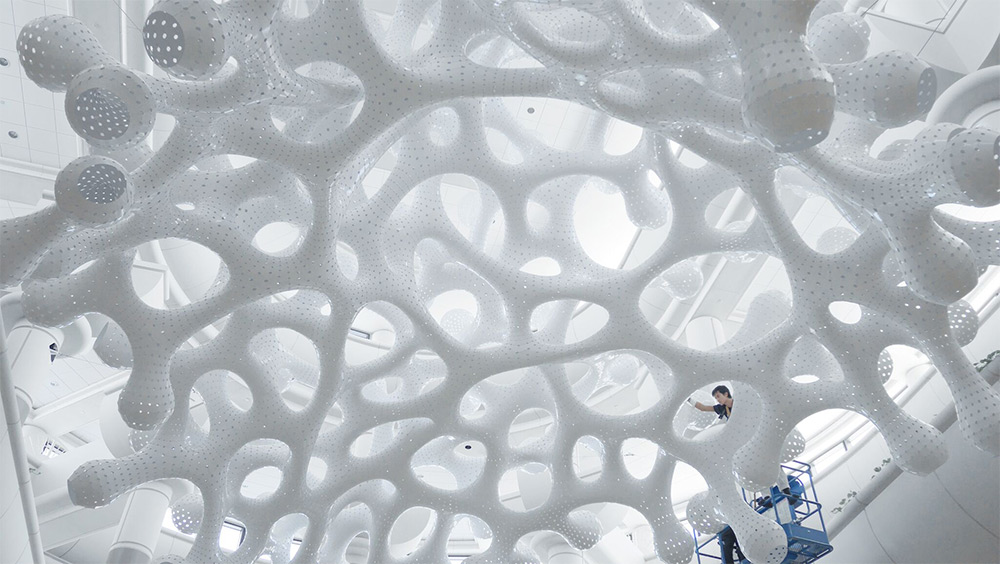
Be inspired by architect Marc Fornes.  He and his studio created an interconnected pathway of tubular branches which appear like a large segment of bleached coral.  It is composed of over 4,600 strips of metal, each just a millimeter thick.  
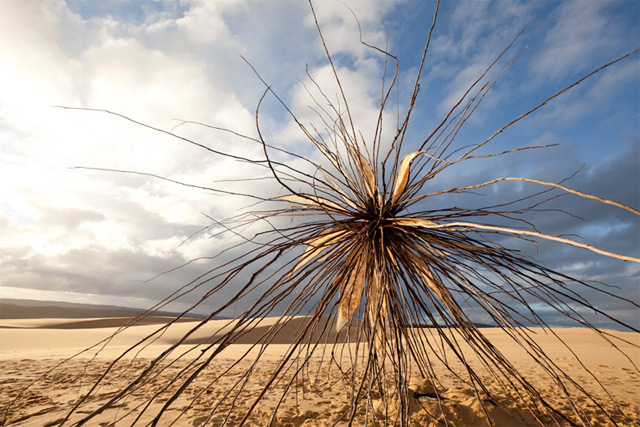
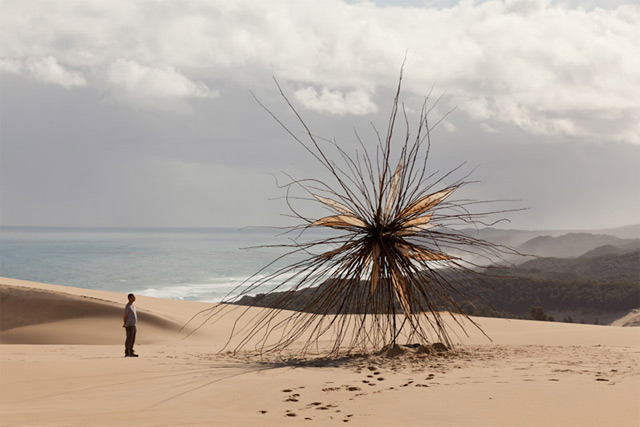
Be inspired by Australian artist Corey Thomas.  He created Spinifex from local tree branches and other plant material.  
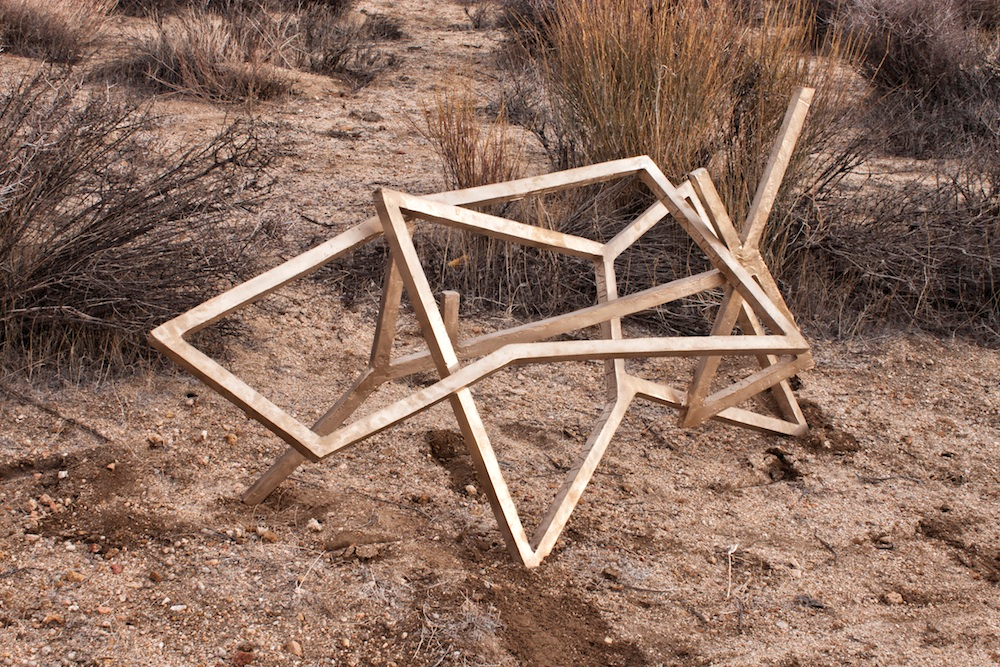
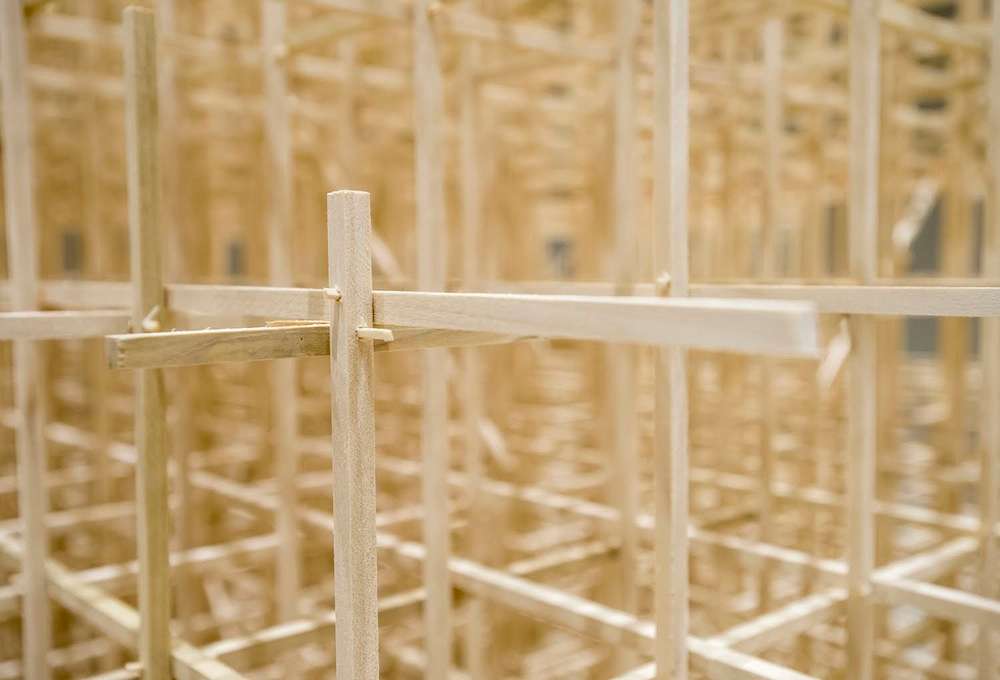
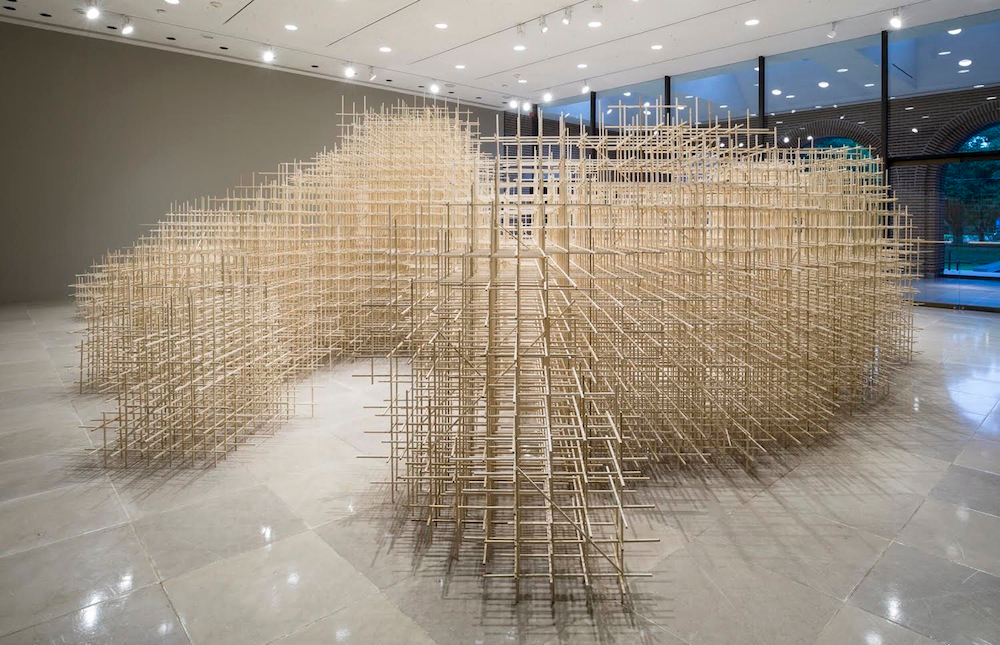
Ben Butler is fascinated by the complex structures that emerge from simple and delicate processes.  This phenomenon can be found in the elaborate systems produced by ant colonies to human cities, small quotidian actions accumulating into overpowering structures.  Ben assembled over 10,000 pieces of poplar wood into a matrix-like structure that coalesces into an unexpectedly mesmerizing array of grids.  
Check out New York artist Jason Hackenwerth, known for his organic and biological forms made from latex balloons.  The spiralling from is made from 10,000 balloons wove carefully into a 3-dimensional structure title Pisces from an interpretation of the legend of Aphrodite and Eros.

Friday, January 19, 2018

Create > Emotion Box

Create > Emotion Box


Goal:  Assemble found object to symbolize emotions.

Catalysts:  
Symbolism, connections, emotions  

Studio Activity:  
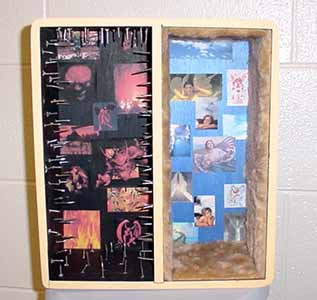
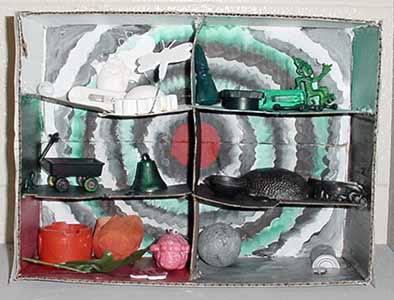
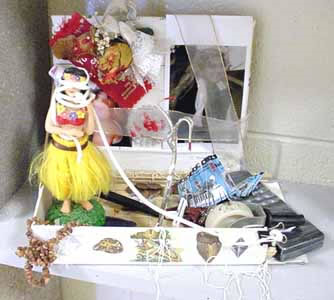
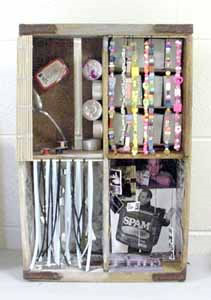
Find a box that has compartments such as a spice box, tackle box or sewing container or make a shallow compartmentalized box of cardboard or wood.  Within each compartment carefully arrange objects, images, textures, found objects, parts of mechanical devices, texts, poetry, calligraphy and collage pieces from magazines or newspapers.  Arrange, alter and combine the elements within each compartment to signify a human emotion.  For example a twisted ribbon might signify love or a relationship or pieces of broken mirror glued over a photograph m ight signify anxiety or a compartment painted blue with cotton balls glued on might signify peacefulness or a mouse trap with a snared gummy bear might signify accomplishment or a piece a drift would with rusted nails might signify serenity.

Artist Profile:


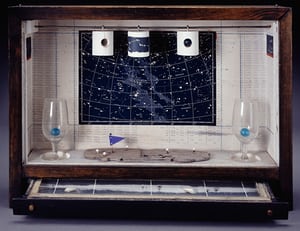
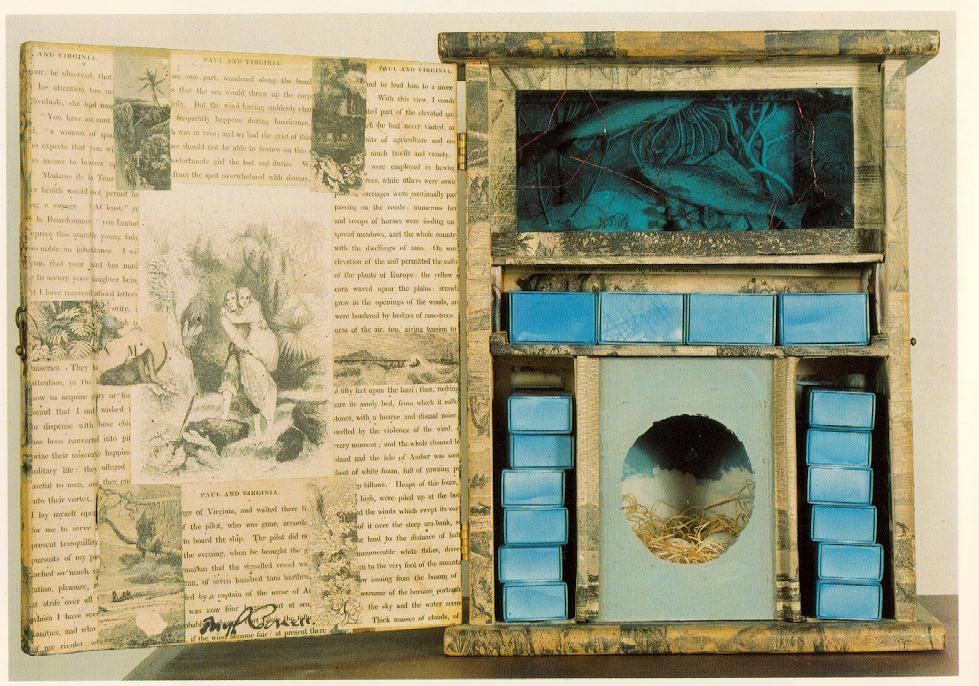
Be inspired by the works of Joseph Cornell > https://www.wikiart.org/en/joseph-cornell
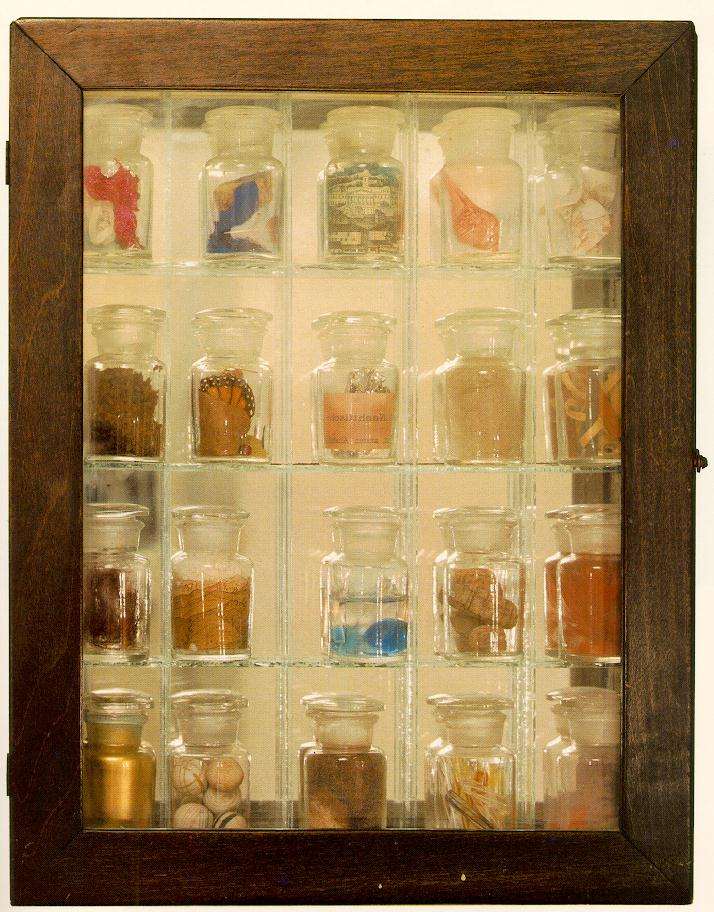
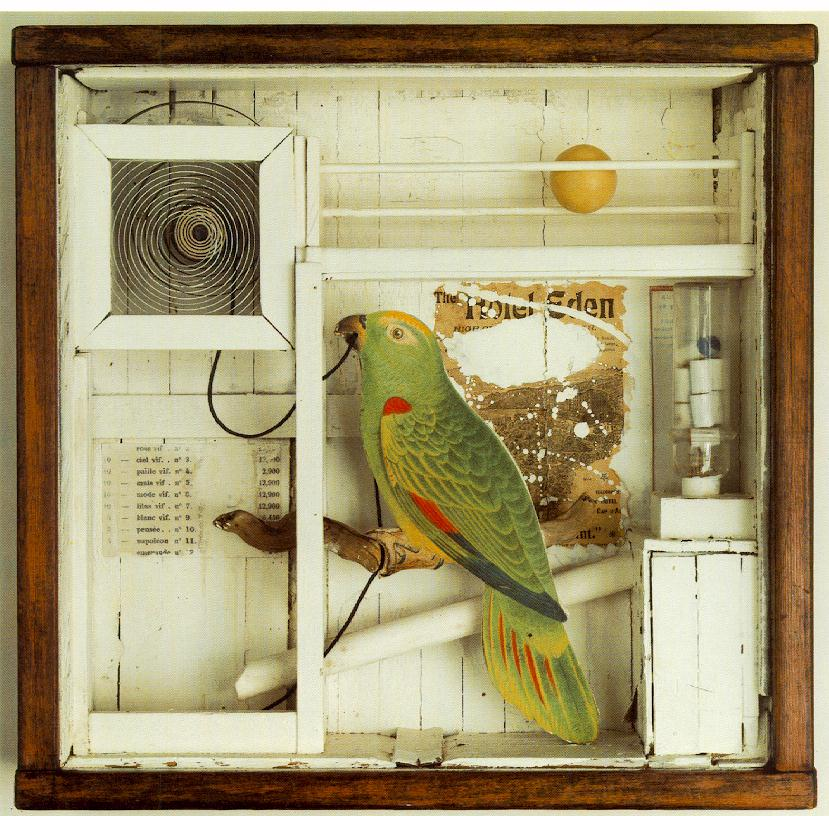
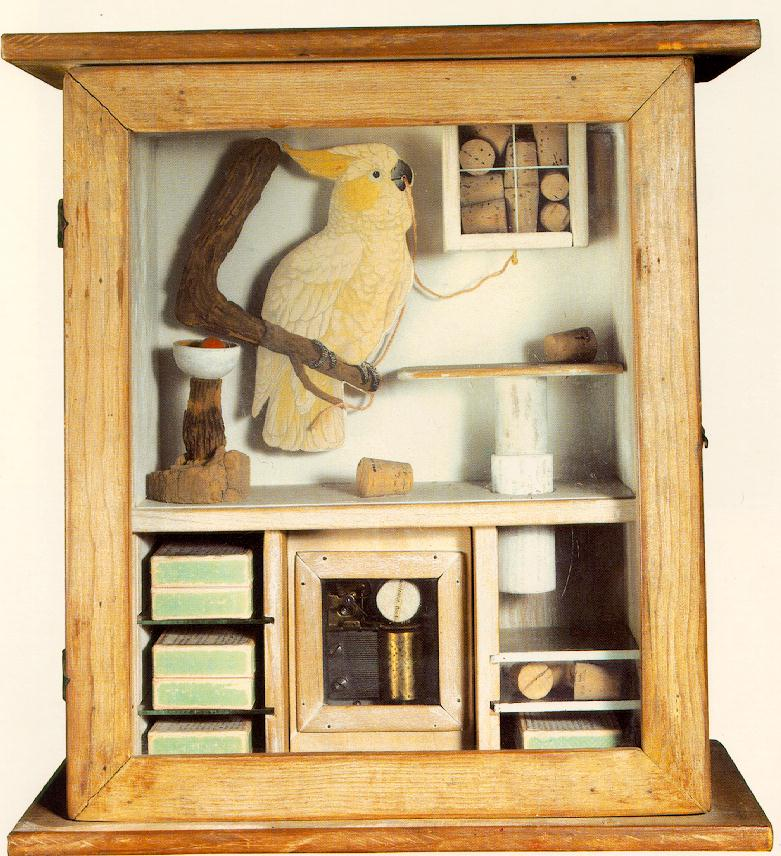
The box is the central metaphor of Joseph Cornell’s life.  He made boxes to keep wonders in.  He used a multitude of found objects representing expansiveness and flight, penned inside cases expressing a simultaneous tension between freedom and constraint.


<em>Untitled (Celestial Navigation)</em>, <strong>1956-58</strong>.


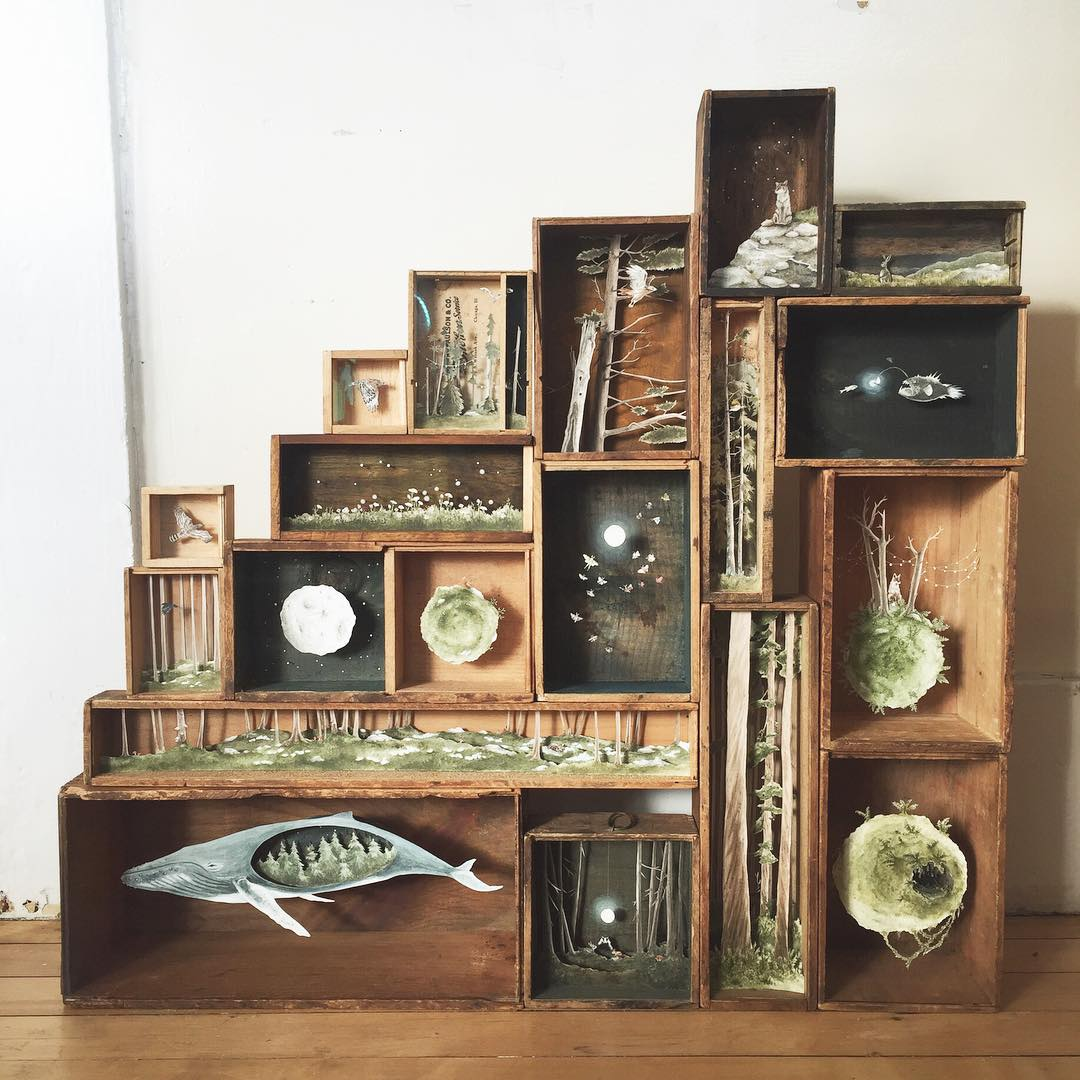
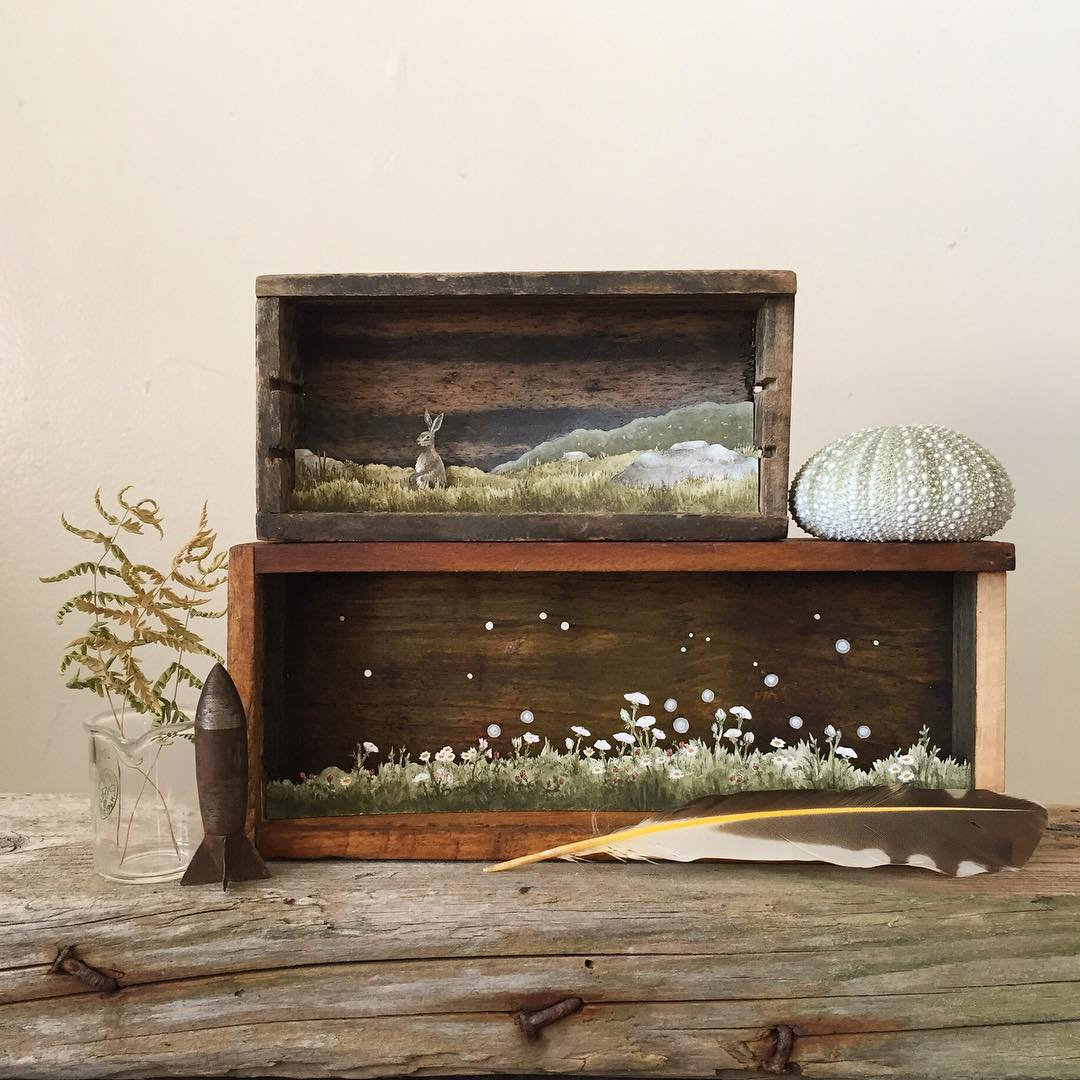
Be inspired by Artist Allison May Kiphuth > http://www.allisonmaykiphuth.com/
Allison captures scenes inspired by her emotional and physical attachment to her surroundings at home in Maine along the sea coast.  The imagery is a metaphor expressing those emotional and physical attachments to the natural environment.  Her mixed media dioramas are constructed from layered ink and watercolor illustrations assembled with pins and strings.


Visual Examples:


Wednesday, January 3, 2018

Create > Kinetic Sculpture

Create > Kinetic Sculpture


Goal:  Create kinetic art that involves movement of from in point of time and space.

Catalysts:  
Combine, change, animate, motion

Studio Activity:  
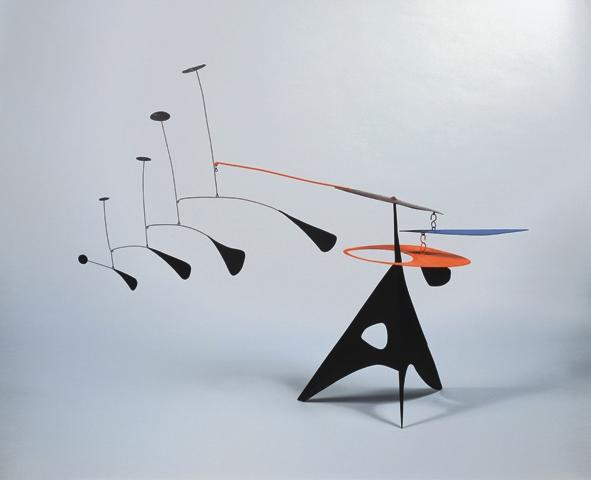
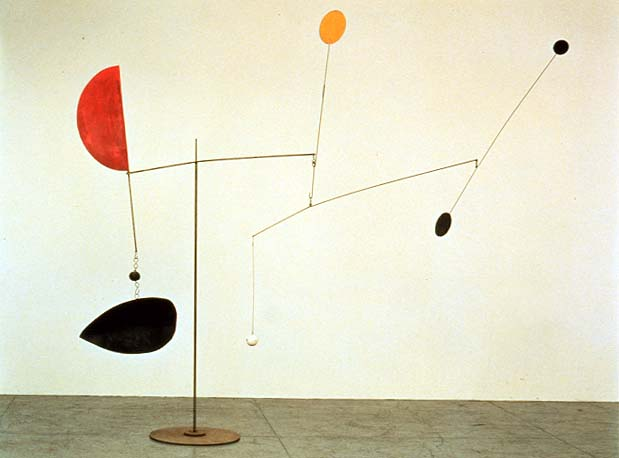
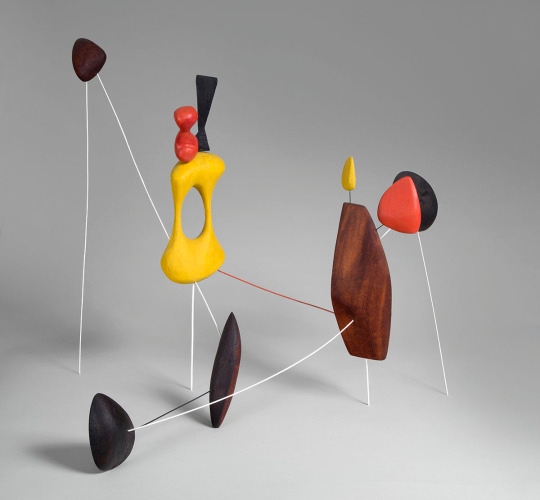
Create a 3-dimensional art form that: -flies, -floats, -grows, -moves, -radiates sound, -changes its appearance, -reacts with water, -reacts to light, -reacts to gravity…  Research kinetic art > https://www.google.com/search?q=kinetic+art&ie=utf-8&oe=utf-8 .  Look into the artworks of Alexander Calder.  Talk to technicians.  Go to flea markets or garage sale to acquire interesting found objects.  Think of the game Mouse Trap and then look at the cartoons of Rube Goldberg for more inspiration.  
Kinetic Concepts:
  • Transformation = evolution, transition, change, mutation.
  • Game = cooperation, viewer response structures, play.
  • Homeostasis = self-balancing systems, self-organizing, self-seeking
  • Teleological = self-destructing, consumable
  • Auto creative = self-structuring
  • Mimesis = of nature, ecosystems, biological

Be inspired by the works of Alexander Calder > https://www.wikiart.org/en/alexander-calder Kinetic art is art from any medium that contains movement perceivable by the view or depends on motion for its effect.  Calder’s mobiles > https://en.wikipedia.org/wiki/Mobile_(sculpture) are 3-dimensional sculptures that move naturally or are machine operated.  The moving parts are often powered by wind, a motor or the observer.  


View the works of other kinetic artists:

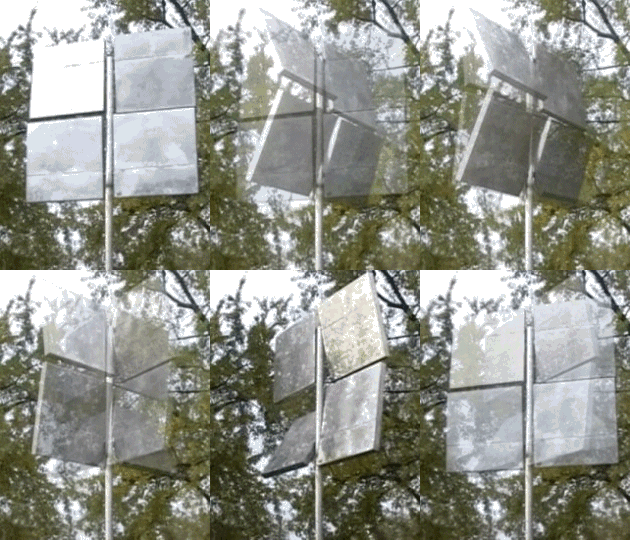
George Rickey, Four Squares in Square Arrangement, 1969, terrace of the New National Gallery, Berlin, Germany,
George_Rickey_Ri10.gif

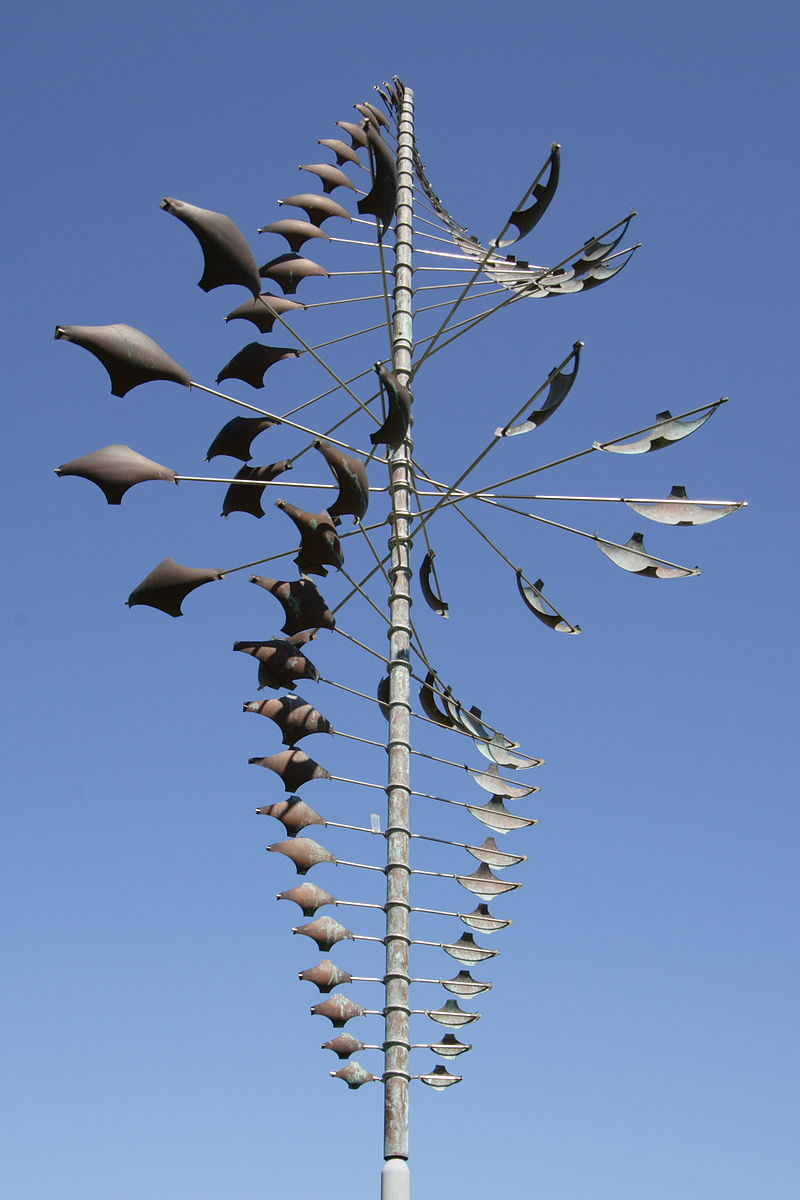
Lyman Whitaker, The Twister Star Huge, a whirligig sculpture

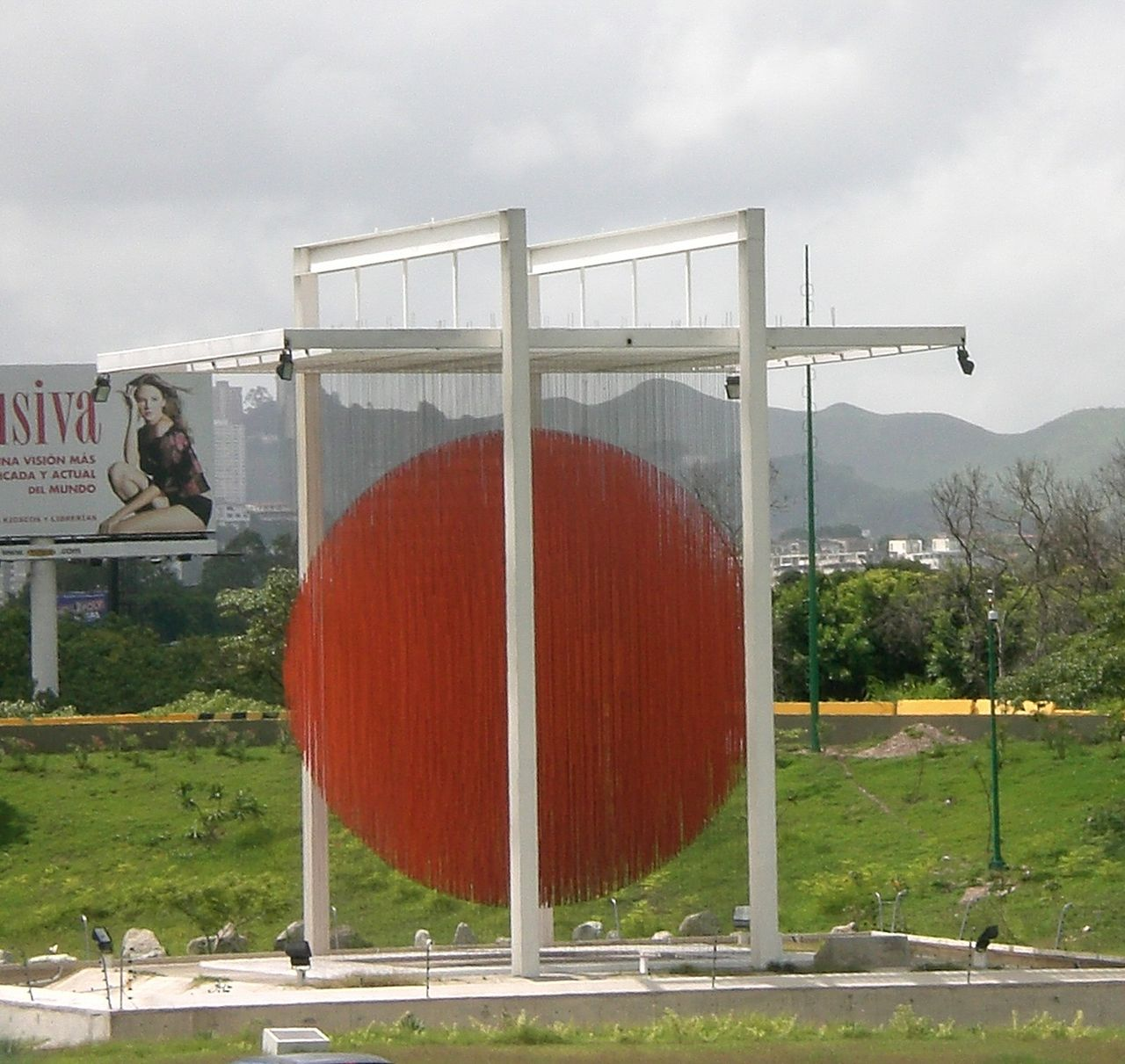
Jesús Raphael Soto, La Esfera, Caracas, Venezuela

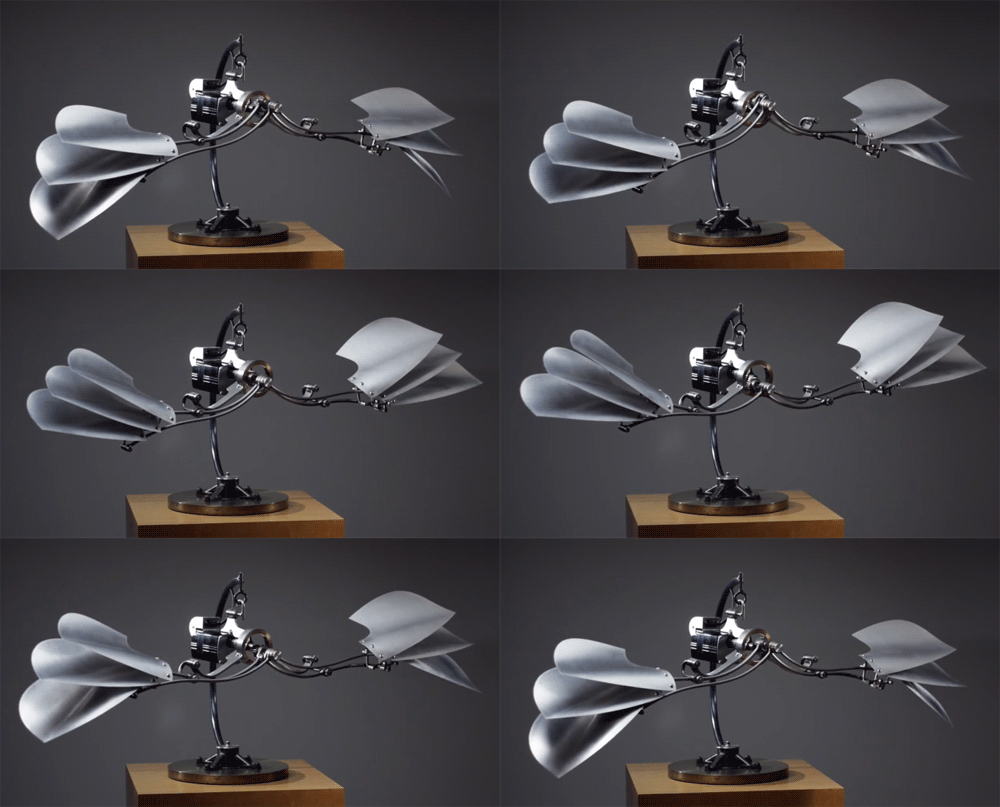
David Ascalon, Wings to the Heavens, 2008. Fabricated and brazed aluminum and stainless steel cable, Temple Israel, Memphis, Tennessee

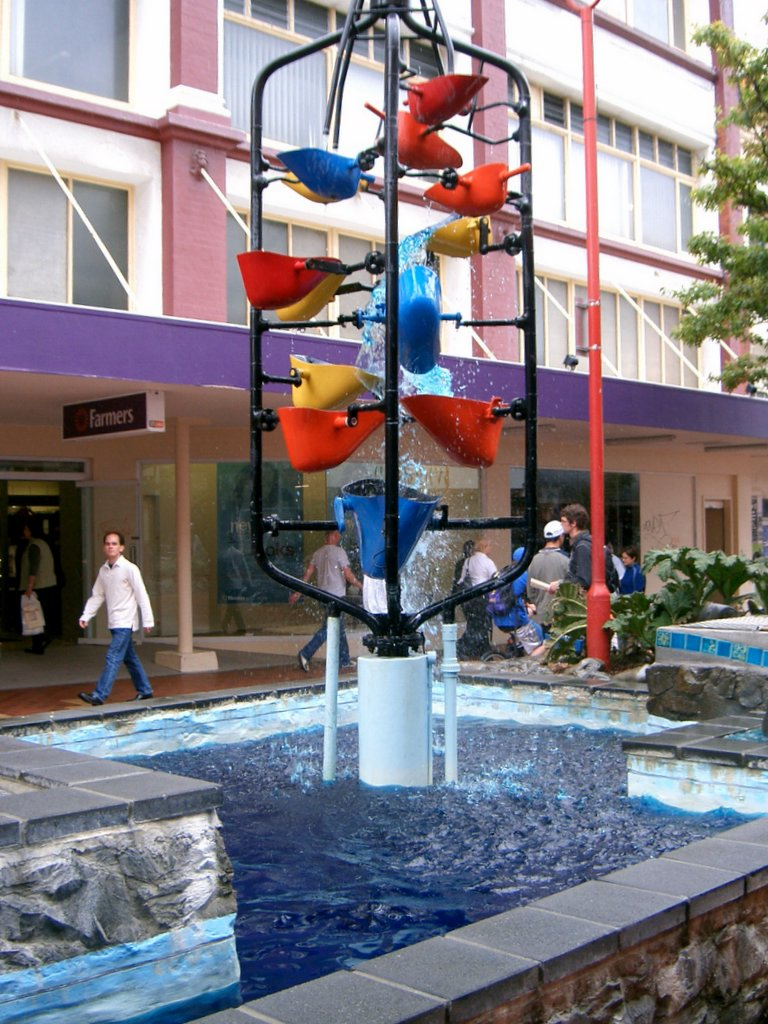
The Bucket Fountain, Wellington, NZ

kinetic-1.gif


Monday, December 11, 2017

Create > Image of Humans


Create > Image of Humans


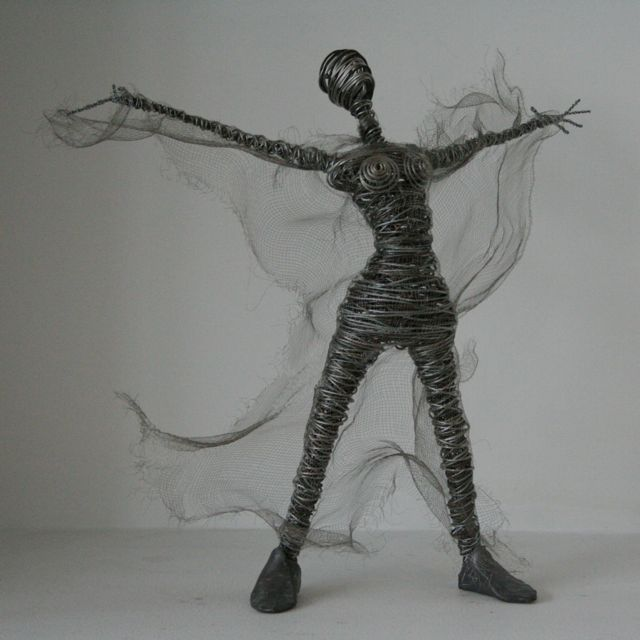
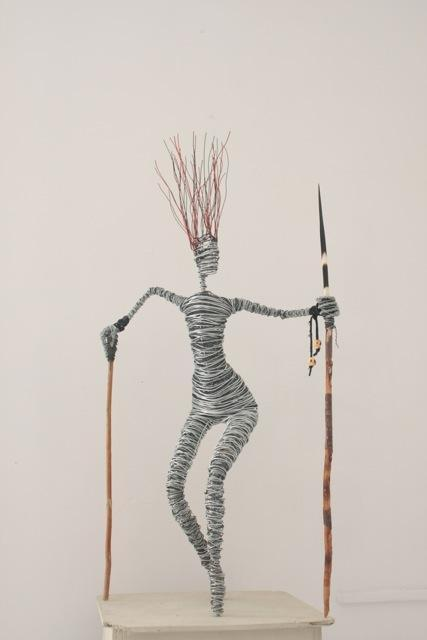
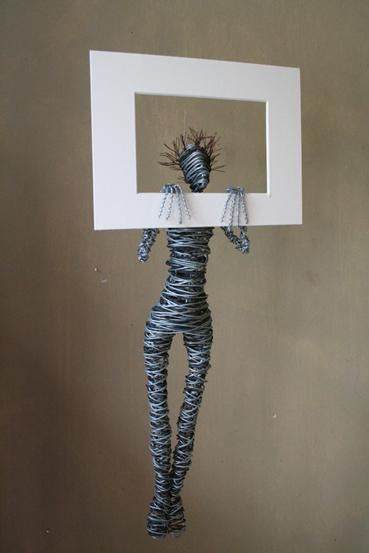
Goal:  Portray a human activity by making a symbolic wire sculpture.

Catalysts:  
Animate, empathize, fantasize  

Studio Activity:  
Portray a particular image of man; Man the Inventor, the Artist, the Sportsman, the Magician, the Hunter and so on.  Interpret the concept with wire.  Use any type or types of flexible wire (even a coat hanger will work) to create a three-dimensional sculpture.  Add additional elements to further emphasize the theme: clock parts, transistors, pills, ruler, map, mechanical parts… Mount the wire sculpture on a wood base and title appropriately.


Artist Profile:


Be inspired by the works of Rachel Ducker > http://www.rachel-ducker.co.uk/ British contemporary artist Rachel Ducker is well practiced in life drawing and with an appreciation of the human form and the emotional dynamics of human nature.  Originally trained as a jeweller, Rachel experiments with wire as a media for sculpting the human form, capturing something ephemeral, either emotive or active.  


Be  further inspired by the works of Gavin Worth > https://www.gavinworth.com/index.html


Visual Examples: