Qualities of a Successful Concentration
Challenging but attainable
Challenging but attainable
Goal Concept:
Understand and be able to cultivate creativity strategies and improve time management.
Access Prior Knowledge:
“It’s not where you take things from—it’s where you take them to.” ~ Jean-Luc Godard
Instructional Strategy
- Identify similarities and differences
Learning Activity
New Information:
Qualities of a Successful Concentration
Challenging but Attainable
An easy goal will provide no sense of accomplishment. Too ambitious a goal will reduce, not increase, motivation. No one wants to fight a losing battle! Knowing your strengths and weaknesses will help you set realistic goals.
An easy goal will provide no sense of accomplishment. Too ambitious a goal will reduce, not increase, motivation. No one wants to fight a losing battle! Knowing your strengths and weaknesses will help you set realistic goals.
Compatible
Make it personal. Doing a series on Japanese woodcuts with no interest in Japan or woodcuts makes no sense. Using Italian architecture, because you’re studying the Roman Empire in history and you’re part Italian will work.
Make it personal. Doing a series on Japanese woodcuts with no interest in Japan or woodcuts makes no sense. Using Italian architecture, because you’re studying the Roman Empire in history and you’re part Italian will work.
Self-Directed
Avoid interests and opinions that are primarily someone else’s. Focus improving on and building off of your strengths and interests. This will increase your receptivity to learn and your ability to focus attention on actions you have an inherent or intrinsic motivation to follow through with.
Avoid interests and opinions that are primarily someone else’s. Focus improving on and building off of your strengths and interests. This will increase your receptivity to learn and your ability to focus attention on actions you have an inherent or intrinsic motivation to follow through with.
Clearly Defined
We all have ‘too much on our mind.’ Identifying specifics and establishing priorities help focus attention, increase productivity, and reduce stress. Know your concentration and intent.
We all have ‘too much on our mind.’ Identifying specifics and establishing priorities help focus attention, increase productivity, and reduce stress. Know your concentration and intent.
- Identify your target. Specificity is important. It is nearly impossible to hit a target you cannot see.
- Focus. Reduce distractions. Re-read your concentration statement every now and then.
- Shoot for and hit your target. Work with necessary force and energy.
Temporary
Set clear target dates, get the job done, and move on to your next piece. Each completed work increases your self-confidence and adds momentum. By contrast, unfinished work can drain energy and bog you down. If necessary, delete and be ‘efficient’ so that you can complete your primary goal.
Set clear target dates, get the job done, and move on to your next piece. Each completed work increases your self-confidence and adds momentum. By contrast, unfinished work can drain energy and bog you down. If necessary, delete and be ‘efficient’ so that you can complete your primary goal.
Apply Knowledge and Skills:

Instructional Strategy
- Nonlinguistic representation
Learning Activity
Create > Synectic Concentration Photo Series
Goal Concept:
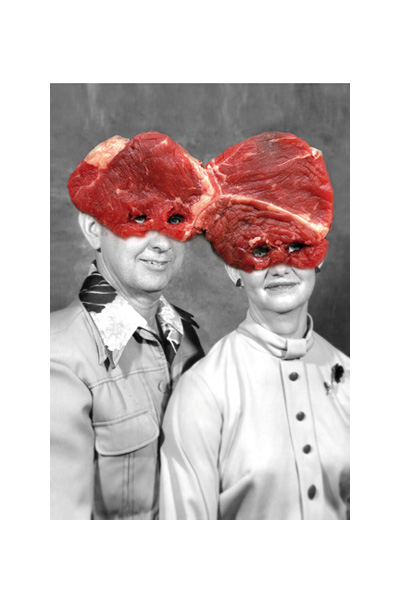
Conceptualize known visual information, patterns and ideas into something new by altering it with a Synectic Trigger Mechanism > http://goo.gl/8UqePf.
Timeframe: 2 weeks - critique every Friday
Studio Activity: Synectic Concentration Series
Step 1:
Choose what type of art theme will you use:
-still-life -portrait -figure -object -historical
-landscape -seascape -narrative -mythical -self-portrait
A landscape can be an inspiring & awesome narrative.
A still-life may evoke dramatic story telling qualities.
A portrait could be an intense emotional narrative.
Step 2:
Complete Image 1 - Fill an album with at least 10 shots
Step 3:
Step 4:
Step 5:
Step 6:
Step 7:
Step 8:
Complete Image 7 - Altered with a Synectic Trigger Mechanism > http://goo.gl/8UqePf
Step 9:
Complete Image 8 - Altered with a Synectic Trigger Mechanism > http://goo.gl/8UqePf
Step 10:
Complete Image 9 - Altered with a Synectic Trigger Mechanism > http://goo.gl/8UqePf
Step 11:
Complete Image 10 - Altered with a Synectic Trigger Mechanism > http://goo.gl/8UqePf
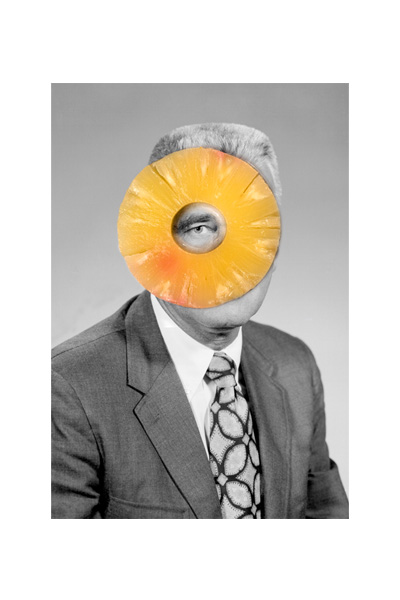
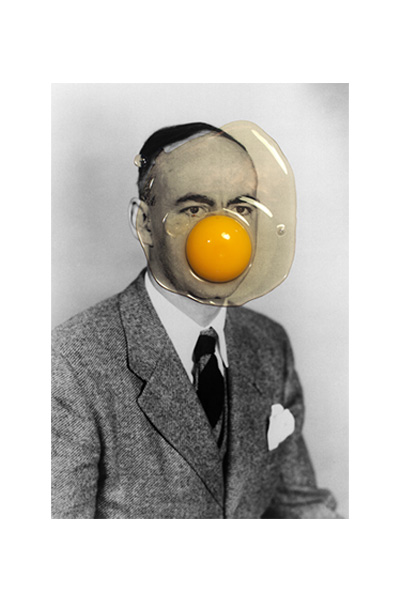
Trigger Mechanisms: Distort, Rearrange, Combine
Visual Examples:
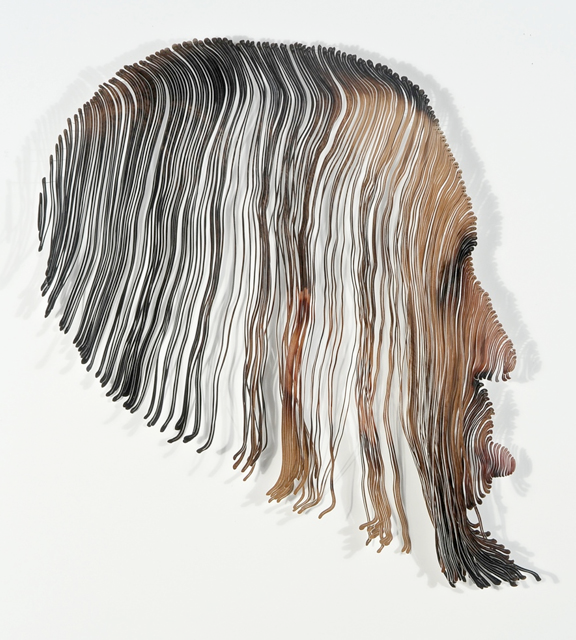
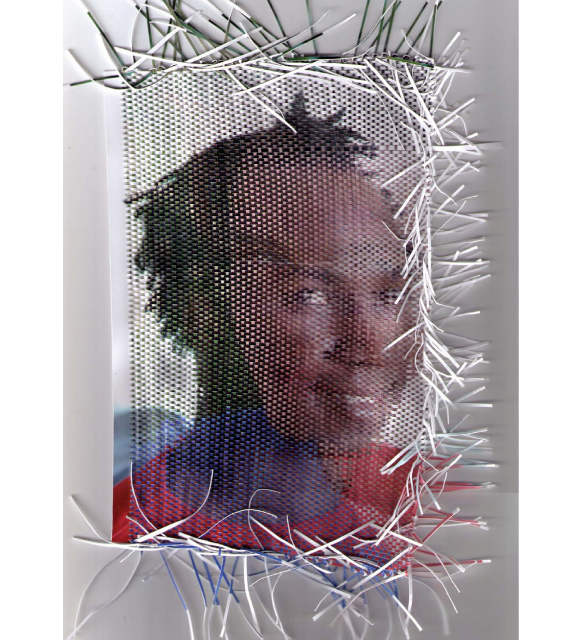
Colossal category Photography > http://www.thisiscolossal.com/category/photography/
Colossal category Photography > http://www.thisiscolossal.com/category/photography/

Generalize, Publish and Reflect:
Instructional Strategy
- Evaluate the results
Learning Activity
Reflect > Should I go back and rework anything?
- How did you combine art elements (line, color, shape, texture, value) to develop art principles? (Unity/variety, balance, emphasis contrast, rhythm, proportion/scale, figure/ground relationship)
- Where are the dominant shapes, forms, colors, or textures that carry expressive significance?
- Why Is the work ordered and balanced or chaotic and disturbing?
- What gives the work its uniqueness?
- Is symbolism used in the work to convey meaning other than what one sees?
- Does the work evoke any feelings?
Instructional Strategy
- Providing Recognition
Learning Activity
Publish > Share your album to our G+Community > Concepts & Creations category
Display > Add your photos to the Event
Instructional Strategy
- Providing Feedback
Learning Activity
Critique >
- Give positive feedback > +1 every image that deserves it
- Give peer feedback > Give 2 peer images a VTS critique > http://goo.gl/1WWmBY
Self-assess >
- Evaluate > Thinglink Rubric Scoring Guidelines > http://goo.gl/ejQq7B or AP Padlet Scoring Guidelines > https://goo.gl/a70ikP


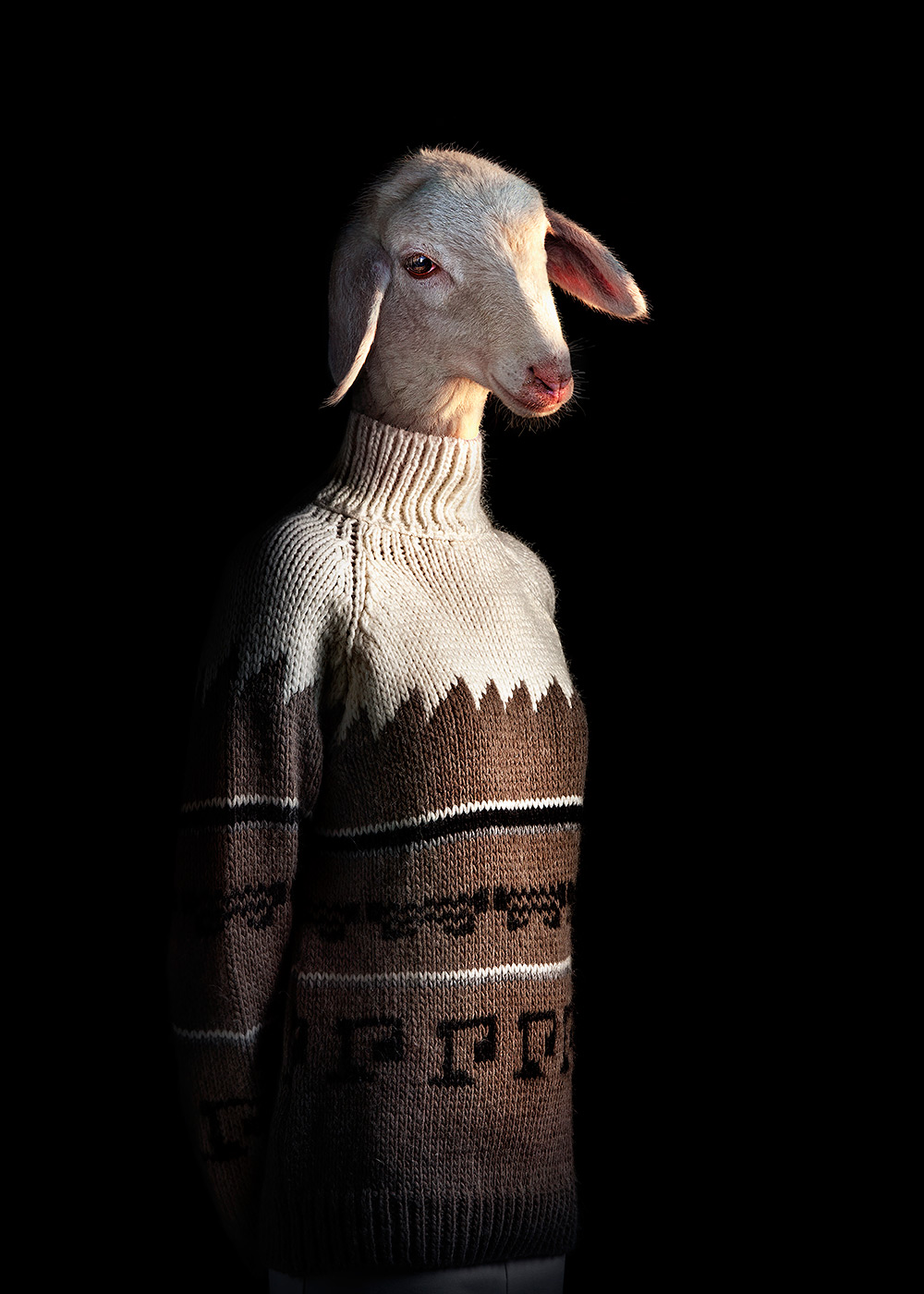
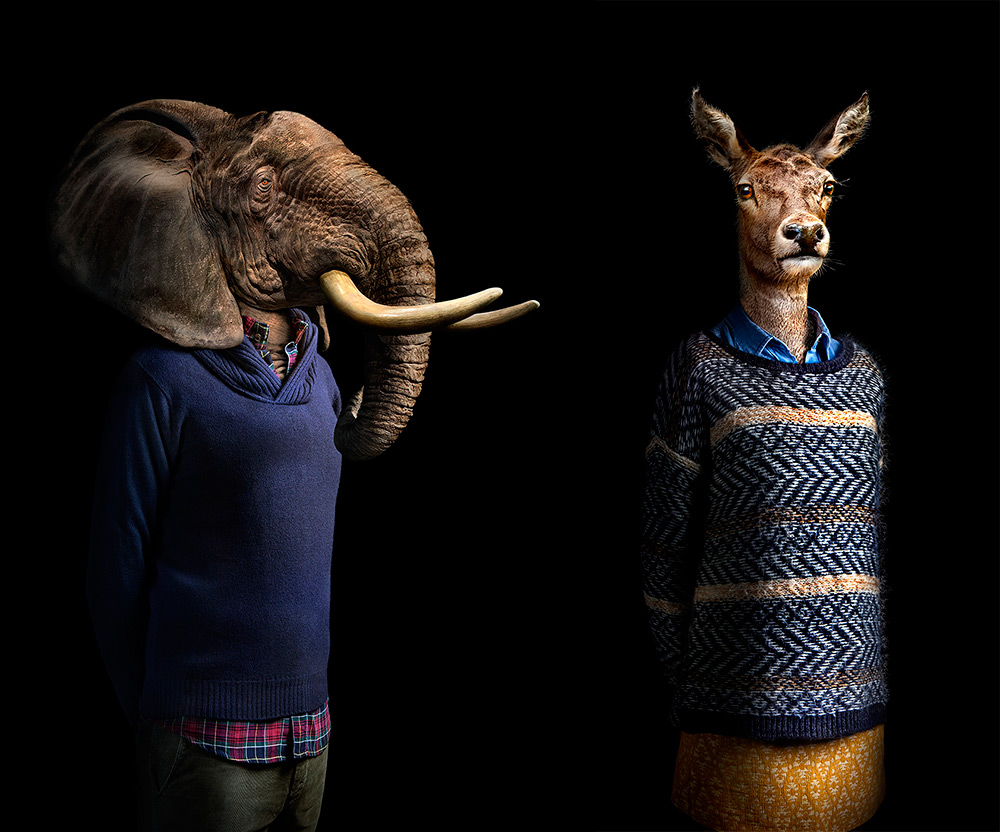
New Portraits of Fashionably Dressed Wildlife by Miguel Vallinas
http://www.thisiscolossal.com/2016/01/second-skins-miguel-vallinas/
http://www.thisiscolossal.com/2016/01/second-skins-miguel-vallinas/
Synectic Trigger Mechanisms:
Imagination Tools for Creative Thinking that lead to Actions that Make Art
Add:
Extend, expand, or otherwise develop your reference subject. Augment it, supplement, advance or annex it. Magnify it, make it bigger. Think: What else can be added to your idea, image, object, or material?
Subtract:
Simplify. Omit, remove certain parts or elements. Take something away from your subject. Compress it or make it smaller. Think: What can be eliminated, reduced, or disposed of? What rules can you break? How can you simplify, abstract, stylize or abbreviate?
“Less is more.” – Arni Ratia
Repeat:
Repeat a Shape, color, form, image or idea. Reiterate, echo, restate or duplicate your reference subject in some way. Think: How can you control the factors of occurrence, repercussion, sequence and progression?
“Every feeling tends to a certain extent to become deeper by repetition.” – J. Sully
Combine:
Bring things together. Connect, arrange, link, unify, mix, merge, wed, rearrange. Combine ideas, materials and techniques. Bring together dissimilar things to produce synergistic integrations. Ask: What else can you connect to your subject? What kind of connections can you make from different sensory modes, frames of reference or subject disciplines?
Animate:
Mobilize visual and psychological tensions in a painting or design. Control the pictorial movements and forces in a picture. Apply factors of repetition, progression, serialization or narration. Bring life to inanimate subjects by thinking of them as having human qualities.
Change Scale:
Make your subject bigger or smaller. Change proportion, relative size, ratio, dimensions or normal graduated series.
Transfer:
Move your subject into a new situation, environment or context. Adapt, transpose, relocate, dislocate. Adapt the subject to a new and different frame of reference. Move the subject out of its normal environment; transpose it to a different historical, social, geographical or political setting or time. Look at it from a different point of view. Adapt an engineering principle, design quality, or other special quality or your subject to that of another. (For example, the structure of a bird’s wing has served as a model for designing bridges.) Transfer can also denote transformation. Think: How can your subject be converted, translated, or transfigured?
Empathize:
Sympathize Relate to your subject; put yourself in its ‘shoes.’ If the subject is inorganic or inanimate, think of it as having human qualities. How can you relate to it emotionally or subjectively? Offering helpful insight to an art student, the eighteenth century German painter Henry Fuseli once advised, ‘Transpose yourself into your subject.’
“I imagine myself as a rider of a beam of light.” – Albert Einstein
Superimpose:
Overlap, place over, cover, overlay: Superimpose dissimilar images or ideas. Overlay elements to produce new images, ideas or meanings. Superimpose different elements from different perspectives, disciplines or time periods on your subject. Combine sensory perceptions (sound/ color, etc) Think synchronistically: What elements or images from different frames of reference can be combined in a si9ngle view? Notice, for example, how Cubist painters superimposed several views of a single object to show many different moments in time simultaneously.
Substitute:
Exchange, switch or replace: Think: What other idea, image, material or ingredient can you substitute for all or part of your subject? What alternate or supplementary plan can be employed?
Fragment:
Separate, divide, split. Take your subject or idea apart. Dissect it. Chop it up or otherwise disassemble it. What devices can you use to divide it into smaller increments – or to make it appear discontinuous?
Isolate:
Separate, set apart, crop, detach. Use only a part of your subject. In composing a picture, use a viewfinder to crop the image or visual field selectively. ‘Crop’ your ideas too with a ‘mental’ viewfinder. Think: What element can you detach or focus on?
Distort:
Twist your subject out of its true shape, proportion of meaning. Think: What kind of imagined or actual distortions can you effect? How can you misshape it? Can you make it longer, wider, fatter, narrower? Can you maintain or produce a unique metaphoric and aesthetic quality when you misshape it? Can you melt it, burn it, crush it, spill something on it, bury it, crack it, tear it or subject it to yet other ‘tortures’?
Disguise:
Camouflage, conceal, deceive or encrypt. How can you hide, mask or ‘implant’ our subject into another frame of reference3? In nature, for example chameleons, moths and certain other species conceal themselves by mimicry: Their figure imitates the ground. How can you apply this to your subject? Think about subliminal imagery. How can you create a latent image that will communicate subconsciously, below the threshold of conscious awareness?
“A fruitful ambiguity is in fact one of the great strengths of the art of the past decade .” – Edward Lucie-Smith
Prevaricate:
Equivocate. Fictionalize, ‘bend’ the truth, falsify, fantasize. Although telling fibs is not considered acceptable social conduct, it is the stuff that legends and myths are made of. Think: How can you use our subject as a theme to present ersatz information? Equivocate: Present equivocal information that is subject to two or more interpretations and used to mislead or confuse.
“Faith, here’s an equivocator, that could swear in both the scales against either scale.” – William Shakespeare
Parody:
Ridicule, mimic, mock, burlesque or caricature. Make fun of your subject. Roast it, lampoon it. Transform it into a visual joke or pun. Exploit the humor factor. Make zany, ludicrous or comic references. Create a visual oxymoron or conundrum.
“Incongruity is central to all humor. Something that does not fit the generally accepted mold, something out of context, unexpected, or inappropriate seems to be the essential element of humor.” – L.J. Peter
Contradict:
Contradict the subject’s original function. Contravene, disaffirm, deny, reverse. Many great works of art are, in fact, visual and intellectual contradictions. They may contain opposite, antipodal, antithetical or converse elements which are integrated in their aesthetic and structural form. Contradict laws of nature such as gravity, time, etc. Think: How can you visualize your subject in connection with the reversal of laws of nature, gravity, magnetic fields, growth cycles, proportions, mechanical and human functions, procedures, games rituals or social conventions? Satirical art is based on the observation of social hypocrisy and contradictory behavior. Optical illusions and ‘flip-lop’ designs are equivocal configurations that contradict optical and perceptual harmony. Think: How can you use contradiction or reversal to change your subject?
“Doublethink means the power of holding two contradictory beliefs in one’s mind simultaneously, and accepting both of them.” – George Orwell
Analogize:
Compare. Draw associations. Seek similarities between things that are different. Make comparisons of your subject to elements from different domains, disciplines and realms of thought. Think: What can I compare my subject to? What logical and illogical associations can I make? Remember, stretching analogies is a way of generating synergistic effects, new perceptions and potent metaphors.
“The person who wants to enhance his creative processes must indulge in the practice of catching similarities.” – Sylvano Ariety
Hybridize:
Cross-fertilize. Wed your subject with an improbable mate. Think: What would you get if you crossed a _______with a _________? Creative thinking is a form of ‘mental hybridization’ in that ideas are produced by cross-linking subjects form different realms. Transfer the hybridization mechanism to the use of color, form and structure. Cross-fertilize organic and inorganic elements, as well as ideas and perceptions.
Metamorphose:
Transform, convert, transmutation. Depict your subject in a state of change. It can be a simple transformation (an object changing its color, for example) or a more radical change in which the subject changes its configuration. Think of ‘cocoon-to-butterfly types of transformations, aging, structural progressions, as well as radical and surreal metamorphosis such as ‘Jekyll and Hyde’ transmutations. Mutation is a radical hereditary change brought about by a change in chromosome relations. How can you apply metamorphosis or mutation to your subject?
“Nothing in the entire universe ever perishes, believe me, but the things vary, and adopt a new form.” – Ovid
Symbolize:
How can your subject be imbued with symbolic qualities? A visual symbol is a graphic device which stands for something other than what it is. For example, a red cross stands for first aid, a striped pole for a barber shop, a dove bearing an olive branch for peace, etc. Public symbols are clichés insofar as they are well known and widely understood, while private symbols are cryptic and have special meaning only to their originator. Works of art are often integrations of both public and private symbols. Think: What can you do to turn your subject into a symbolic image? What can you do to make it a public symbol? A private metaphor?
Mythologize:
Build a myth around your subject. In the 60’s Pop artists ‘mythologized’ common objects. The Coca-Cola bottle, Brillo Pads, comic strip characters, movie stars, mass media images, hot rods, hamburgers and French fries and other such frivolous subjects became the visual icons of twentieth century art. Think: How can you transform your subject into an iconic object?
“The message of the myth is conveyed by the amalgam of its relationships and its mediations.” – Claude Levi-Strauss
Fantasize:
Fantasize your subject. Use it to trigger surreal, preposterous, outlandish, outrageous, bizarre thoughts. Topple mental and sensory expectations. How far out can you extend your imagination? Think: ‘What-if’ thoughts. What if automobiles were made of brick? What if alligators played pool? What if insects grew larger than humans? What if night and day occurred simultaneously?
“The world of reality has its limits; the world of imagination is boundless.”
– Jean Jacques Rousseau